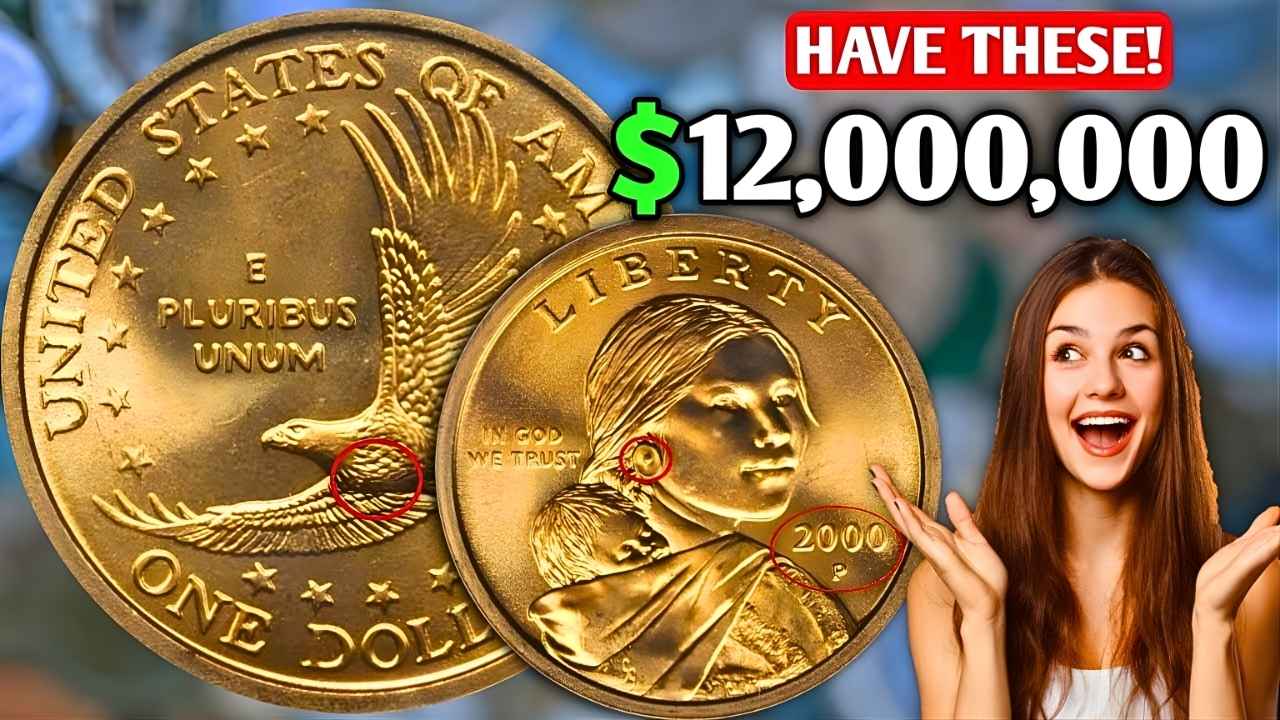
2000-P Sacagawea Dollar Mule Error: In the fascinating world of coin collecting, few modern pieces have achieved legendary status quite like the 2000-P Sacagawea Dollar Mule Error. This coin is not only a product of chance but also a symbol of how mistakes can sometimes create treasures worth a fortune. Collectors and historians alike are captivated by its rarity, its story, and its astonishing value. What began as a minting accident has become one of the most famous coins in American numismatics.
What Is a Mule Error
A mule error occurs when a coin is struck using dies that were never intended to be paired together. Normally, the obverse and reverse dies are carefully matched to ensure consistency. In this case, however, the obverse of a Washington quarter was mistakenly combined with the reverse of a Sacagawea dollar. The result was a coin that looked unusual and immediately stood out to those who noticed it. Mule errors are extremely rare because minting processes are designed to prevent such mismatches. When they do happen, they often become legendary among collectors.

The Origins of the 2000-P Mule Error
The Sacagawea dollar was introduced in 2000 as a replacement for the Susan B. Anthony dollar. At the same time, the Mint was producing state quarters featuring the familiar Washington obverse. Somewhere in the Philadelphia Mint, dies from the quarter and dollar series were accidentally paired. The mistake was not caught before coins were struck, and a small number of mule errors entered circulation. Estimates suggest fewer than two dozen examples exist, making them incredibly scarce and highly desirable.
Rarity and Known Examples
The rarity of the 2000-P Sacagawea Dollar Mule Error cannot be overstated. Unlike other error coins that may number in the hundreds or thousands, this mule is believed to exist in only a handful of specimens. Each discovery has been carefully documented, and the coin’s fame has grown with every auction appearance. Collectors know that finding one in circulation today is virtually impossible, which adds to its mystique. The limited supply ensures that demand will always exceed availability.

Value and Auction Records
The value of this coin has skyrocketed since its discovery. Early sales in the 2000s saw prices in the tens of thousands of dollars. As awareness grew, so did demand. By the 2010s, examples were selling for well over $80,000. More recently, prices have reached extraordinary levels, with some coins valued at over $1 million. This makes the mule error one of the most valuable modern coins ever produced by the U.S. Mint. Auction houses often highlight it as a centerpiece, and bidding wars among collectors have driven prices to record-breaking heights.
Why Collectors Prize This Coin
Collectors are drawn to the mule error for several reasons. First, it represents a perfect storm of rarity and intrigue. Second, it is a modern coin, which means it appeals to both seasoned numismatists and newer collectors. Third, its story is compelling: a simple mistake transformed into a million-dollar treasure. Finally, owning such a coin is a mark of prestige, signaling that the collector possesses one of the most famous errors in American numismatics. The combination of rarity, value, and narrative makes it irresistible.
How to Identify the Mule Error
Identifying the mule error is straightforward once you know what to look for. The obverse features George Washington, as seen on the quarter, while the reverse shows the soaring eagle from the Sacagawea dollar. The coin carries the 2000-P mintmark, indicating it was struck in Philadelphia. Its golden color comes from the manganese-brass alloy used for Sacagawea dollars, which makes the Washington obverse appear unusual compared to a standard quarter. This distinctive appearance ensures that even casual collectors can recognize it.
Other Sacagawea Dollar Errors
While the mule error is the most famous, other Sacagawea dollar errors exist. Some coins were struck on wrong planchets, such as Susan B. Anthony dollar blanks. Others show double denominations, where a Sacagawea dollar was struck over a quarter. These errors are valuable in their own right, often selling for thousands of dollars. However, none rival the mule error in terms of rarity or value. The mule stands alone as the crown jewel of Sacagawea dollar errors.

Collecting Error Coins
Error coins have long fascinated collectors. They represent the human side of minting, where mistakes slip through even the most careful processes. Collecting errors requires knowledge, patience, and often significant investment. For beginners, smaller errors like off-center strikes or clipped planchets can be affordable entry points. For advanced collectors, coins like the Sacagawea mule are the ultimate prize. Error coins remind us that perfection is not always the goal and that flaws can sometimes create beauty.
The Legacy of the Mule Error
The 2000-P Sacagawea Dollar Mule Error has cemented its place in numismatic history. It serves as a reminder that even in modern times, when minting technology is advanced, mistakes can happen. These mistakes can create coins that captivate collectors for generations. The mule error is not just a coin; it is a story of chance, rarity, and value that continues to inspire fascination. Its legacy will endure as long as collectors cherish the thrill of discovery.

Conclusion
The 2000-P Sacagawea Dollar Mule Error is a modern marvel in coin collecting. Its rarity, value, and story make it one of the most important coins of the 21st century. For collectors, it represents the pinnacle of error coin collecting. For historians, it is a testament to the unpredictability of minting. And for the general public, it is a reminder that sometimes, mistakes can become treasures worth millions. The mule error is more than just a coin; it is a legend that will continue to shine in the world of numismatics.