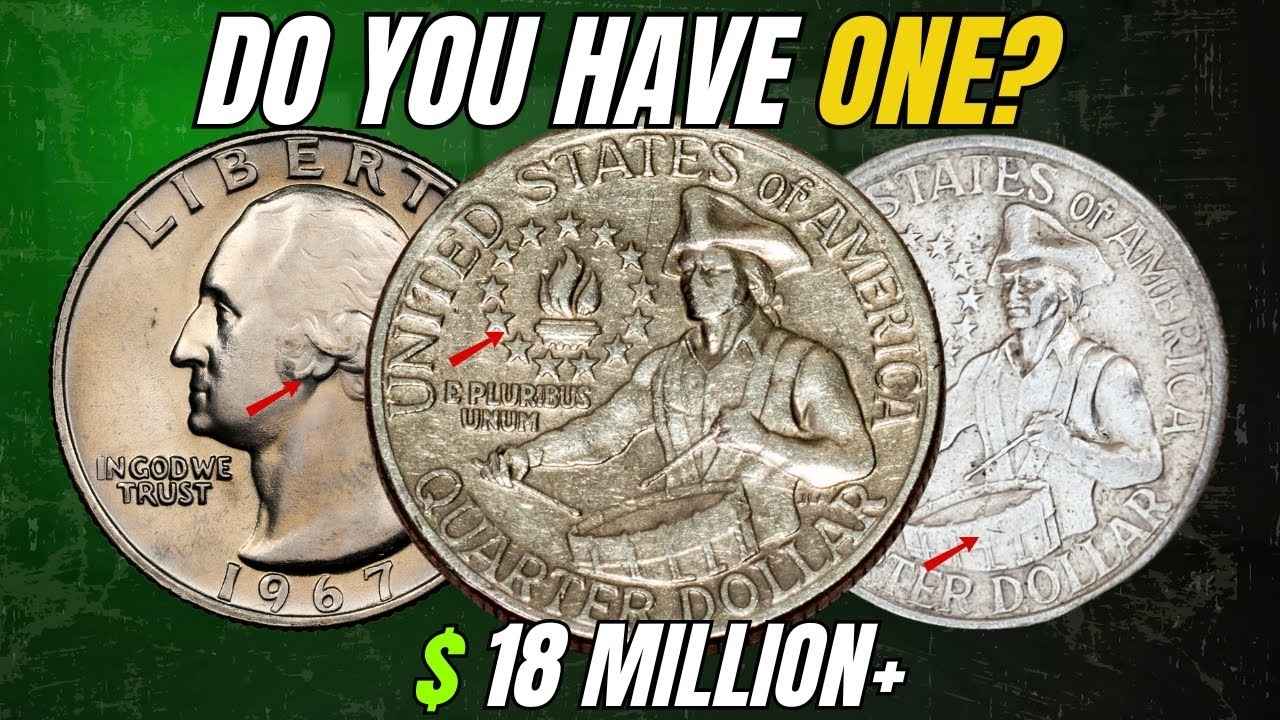
2026 Bicentennial Quarter Value Guide: The Bicentennial quarter, minted in 1975 and 1976 to celebrate the 200th anniversary of American independence, remains one of the most iconic coins in U.S. history. Featuring a colonial drummer on the reverse and the dual date 1776 1976, it was produced in massive numbers and widely circulated. For most people, these coins are worth only their face value. Yet among the millions struck, certain rare specimens have emerged that stunned collectors and investors alike. In 2026, fifty years after their release, Bicentennial quarters continue to fascinate numismatists, with some rare varieties valued in the millions. This guide explores what makes these coins special, how to identify valuable examples, and why they remain collector gems.
The Birth of the Bicentennial Quarter
The Bicentennial quarter was part of a special coinage program launched to commemorate America’s 200th birthday. Alongside the quarter, the half dollar and dollar were also redesigned with patriotic themes. Jack L. Ahr created the reverse design of the quarter, depicting a colonial drummer with a torch of victory surrounded by thirteen stars. The obverse retained George Washington’s portrait but carried the dual date 1776 1976. These coins were minted in both circulation strikes and collector proofs, with billions produced overall. Their widespread release ensured that nearly every American encountered them.

What Makes Bicentennial Quarters Valuable
Most Bicentennial quarters are common and worth only twenty five cents. However, certain factors can elevate a coin’s value dramatically. Rarity is the most important factor, with coins produced in limited numbers or under unusual circumstances commanding high prices. Errors, such as double dies, off metal strikes, or wrong planchets, also add value. Condition plays a crucial role, as coins in pristine states are far more desirable than worn examples. Finally, collector demand ensures that certain varieties remain highly sought after, especially when tied to historical events.
Rare Varieties Worth Millions
Among the Bicentennial quarters, a few rare varieties stand out as treasures worth millions. Some coins were struck on silver planchets intended for proof sets, creating rare off metal errors. Others feature dramatic minting anomalies, such as double dies or misaligned strikes. These coins are exceedingly rare, with only a handful known to exist. Professional grading services have confirmed their authenticity and quality, placing them among the finest known examples. For collectors, these quarters represent the pinnacle of rarity and value in modern U.S. coinage.

How Rare Coins Are Discovered
The discovery of valuable Bicentennial quarters is often as fascinating as the coins themselves. Many were found unexpectedly, sometimes in circulation or among coins stored away for decades. Owners often did not realize their significance until experts examined them. Once authenticated, these coins quickly attracted attention from auction houses and collectors worldwide. Their journey from obscurity to fame underscores the unpredictable nature of numismatics, where even ordinary looking coins can conceal extraordinary value.
Historical Context of the Bicentennial Quarter
The Bicentennial quarter was minted during a period of national pride and celebration. America’s 200th birthday was marked by parades, fireworks, and commemorative events across the country. The coin served as a tangible reminder of this milestone, circulating widely among citizens. Rare specimens reflect this historical backdrop. They are not only coins but also symbols of patriotism and heritage. Their value is tied not just to rarity but also to the emotional weight they carry as pieces of America’s Bicentennial celebration.

Condition and Preservation
One of the reasons certain Bicentennial quarters command such high prices is their exceptional condition. Coins that survive decades without scratches, wear, or tarnish are exceedingly rare. High grade examples with sharp details and brilliant luster are especially prized. Professional grading services confirm their quality, placing them among the finest known specimens. For collectors, condition is everything, and pristine coins elevate ordinary designs to legendary status.
Auction Records and Collector Demand
Valuations in the millions are often achieved through competitive bidding at major auctions. Collectors from around the world recognize the significance of rare Bicentennial quarters and vie for the chance to own them. Auction houses highlight such coins as marquee items, drawing attention from both seasoned numismatists and wealthy investors. Bidding wars reflect the intense demand for these rare treasures. They also underscore the broader trend of rare coins becoming alternative investments, with values rivaling fine art and rare collectibles.
Why Bicentennial Quarters Stand Out
There are many rare coins in American history, but few achieve the level of fame and value seen in Bicentennial quarters. Their uniqueness lies in the combination of rarity, historical significance, and condition. Unlike older coins that derive value from centuries of survival, these modern coins owe their worth to extraordinary circumstances. They remind us that even in the modern era, minting errors, special strikes, and unique specimens can create treasures that rival the classics.
The Role of Provenance
Provenance plays a crucial role in the value of rare coins. Bicentennial quarters valued in the millions often have well documented histories, with records tracing their journey from the Mint to private collections and eventually to auction. This chain of ownership adds credibility and prestige, assuring collectors that the coins are authentic and unique. Provenance also enhances the narrative, making the coins more than just pieces of metal. They become stories, legacies, and symbols of numismatic history.

Still Found in Circulation
One of the most fascinating aspects of Bicentennial quarters is that they can still be found in circulation today. While rare varieties worth millions are unlikely to appear in everyday transactions, common Bicentennial quarters occasionally surface in pocket change, coin rolls, or old jars. This possibility adds excitement for collectors and casual enthusiasts alike. The idea that a fortune could be hiding in plain sight keeps the hunt alive and ensures that Bicentennial quarters remain popular among treasure seekers.
Lessons for Collectors
The story of rare Bicentennial quarters offers important lessons for collectors. First, it shows that even modern coins can achieve extraordinary value under the right circumstances. Second, it highlights the importance of condition and preservation. Third, it demonstrates the role of provenance in elevating a coin’s status. Finally, it reminds collectors that patience and knowledge are essential. Rare coins often surface unexpectedly, and those who recognize their significance can reap incredible rewards.

The Legacy of Bicentennial Quarters
The Bicentennial quarter has cemented its place in numismatic history. It is more than just a coin; it is a cultural artifact, a financial marvel, and a collector’s dream. Its legacy will endure as long as people cherish coins not only for their monetary value but also for their stories. For future generations, these coins will stand as a testament to the enduring appeal of numismatics and the unpredictable nature of rarity.
Conclusion
The Bicentennial quarter valued in the millions is a shining example of how coins can transcend their original purpose. Born out of national celebration, preserved in pristine condition, and elevated by collector demand, it represents the pinnacle of American numismatics. Its story is one of chance, history, and passion, reminding us that even small pieces of metal can carry immense meaning. For collectors, historians, and enthusiasts, the coin is not just valuable; it is priceless in its symbolism and legacy.