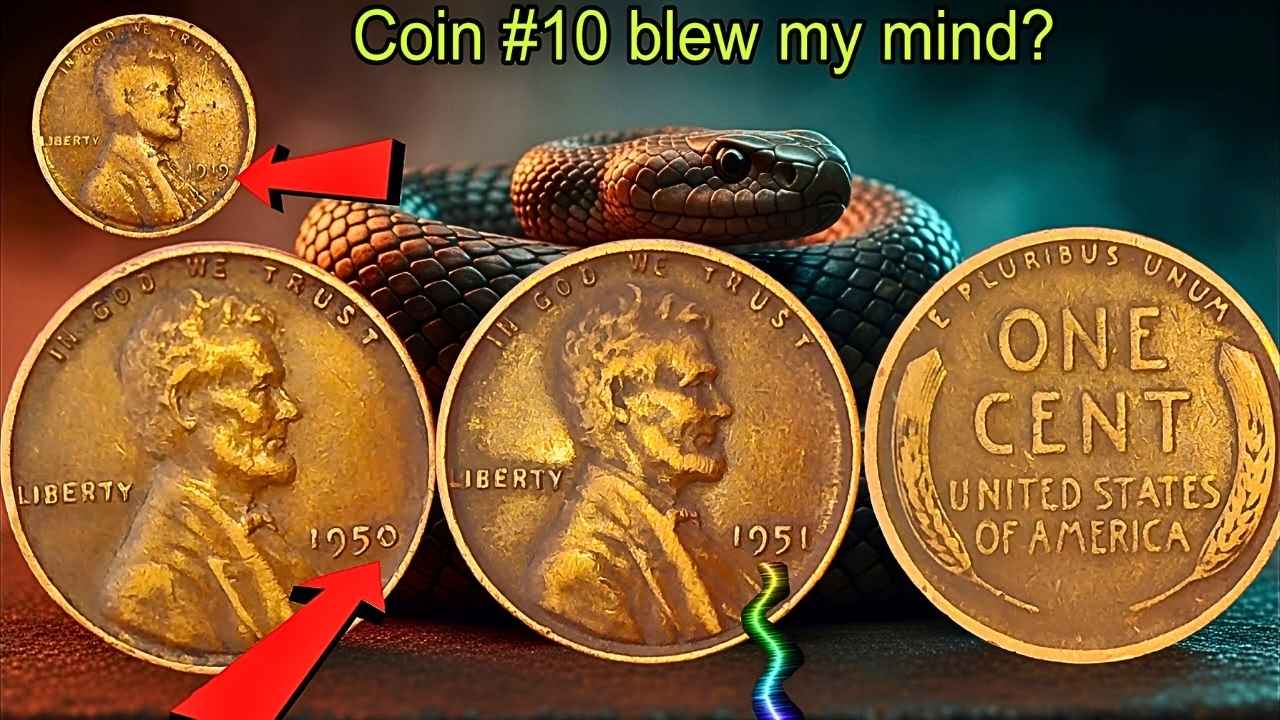
Lincoln Wheat Penny Value Guide: Coins often serve as more than just currency. They are miniature pieces of history, carrying stories of the past and offering collectors a tangible connection to earlier times. Among the most beloved coins in American numismatics is the Lincoln Wheat Penny. First minted in 1909, this coin has fascinated generations of collectors with its distinctive design, historical significance, and potential value. While many Wheat Pennies are common, certain rare issues and mint marks have elevated their worth to extraordinary levels, making them prized treasures in the world of coin collecting.
The Origins of the Lincoln Wheat Penny
The Lincoln Wheat Penny was introduced in 1909 to commemorate the centennial of Abraham Lincoln’s birth. It was the first regular issue coin in the United States to feature a real person rather than a symbolic figure. Designed by Victor David Brenner, the obverse depicted Lincoln’s profile, while the reverse showcased two wheat stalks framing the words “One Cent.” This design remained in circulation until 1958, when it was replaced by the Lincoln Memorial reverse. The Wheat Penny’s introduction marked a turning point in American coinage, blending artistry with historical reverence.

Key Historical Context
The early twentieth century was a period of transformation in American society, and the Lincoln Wheat Penny reflected this change. By honoring Lincoln, the coin symbolized unity and progress. Its widespread circulation meant that millions of Americans carried a reminder of Lincoln’s legacy in their pockets. Over time, the coin became a nostalgic artifact, representing both the economic history of the nation and the enduring admiration for one of its greatest presidents.
Rare Varieties That Command High Value
While most Wheat Pennies are worth only a few cents, certain rare varieties have achieved legendary status among collectors. The 1909-S VDB penny is perhaps the most famous, minted in San Francisco with the designer’s initials prominently displayed. Only a limited number were produced before the initials were removed, making this coin extremely rare and valuable. Other notable rarities include the 1914-D penny from Denver and the 1922 “No D” penny, which was struck without a mint mark due to a die error. These coins can fetch thousands of dollars at auction, depending on their condition.

The Importance of Mint Marks
Mint marks play a crucial role in determining the rarity and value of Wheat Pennies. Coins were produced at several mints, including Philadelphia, Denver, and San Francisco. The presence or absence of a mint mark can dramatically affect a coin’s desirability. For example, pennies minted in San Francisco often had lower production numbers, making them scarcer. Collectors pay close attention to these small details, as they can transform an ordinary coin into a prized collectible.
Evaluating Condition and Grading
Condition is another critical factor in assessing the value of Wheat Pennies. Coins are graded on a scale ranging from poor to mint state, with higher grades commanding higher prices. A penny that has circulated heavily may show significant wear, reducing its value. Conversely, a coin preserved in pristine condition, with sharp details and minimal blemishes, can be worth exponentially more. Professional grading services provide certification that helps establish a coin’s authenticity and market value, giving collectors confidence in their investments.

Collector Insights and Strategies
Experienced collectors often emphasize patience and knowledge as the keys to success. Building a collection of Wheat Pennies can be a rewarding journey, but it requires careful study of mint marks, varieties, and historical context. Many collectors start by assembling a complete set of pennies from each year of production, gradually upgrading their collection with higher-quality specimens. Networking with other enthusiasts, attending coin shows, and consulting reference guides are valuable strategies for expanding expertise and discovering rare finds.
Stories of Extraordinary Discoveries
The world of coin collecting is filled with stories of remarkable discoveries. Some individuals have stumbled upon rare Wheat Pennies in old jars of change, inherited collections, or even circulation. These tales inspire others to pay closer attention to the coins they encounter daily. The possibility of finding a rare penny worth thousands of dollars adds excitement to the hobby, transforming ordinary life into a treasure hunt. Such stories remind us that history and fortune can sometimes be found in the smallest details.

The Market for Lincoln Wheat Pennies
The market for Wheat Pennies remains strong, driven by both nostalgia and investment potential. Auctions frequently showcase rare specimens, with bidding wars pushing prices to impressive heights. The 1909-S VDB penny, for instance, continues to attract significant attention, often selling for thousands of dollars depending on condition. As more people discover the joys of coin collecting, demand for rare Wheat Pennies is likely to remain robust, ensuring their place as enduring treasures in the numismatic world.
Tips for Aspiring Collectors
For those inspired to begin their own journey with Wheat Pennies, a few tips can help. Start by learning the basics of numismatics, including how to identify mint marks and grade coins. Invest in a magnifying glass and coin reference guides to aid in examination. Handle coins carefully to preserve their condition, as even minor scratches can diminish value. Join local coin clubs or online communities to share knowledge and experiences. Most importantly, approach collecting with curiosity and patience, as the most rewarding finds often come to those who dedicate time and effort to the hobby.

The Legacy of the Lincoln Wheat Penny
The Lincoln Wheat Penny is more than just a coin. It is a symbol of history, artistry, and national pride. From its origins in 1909 to its replacement in 1958, the coin captured the spirit of an era and honored one of America’s greatest leaders. For collectors, it offers both financial potential and a tangible connection to the past. Whether one discovers a rare mint mark worth thousands or simply enjoys the beauty of the design, the Wheat Penny continues to inspire fascination and admiration. Its legacy endures as a reminder that even the smallest objects can carry immense meaning.