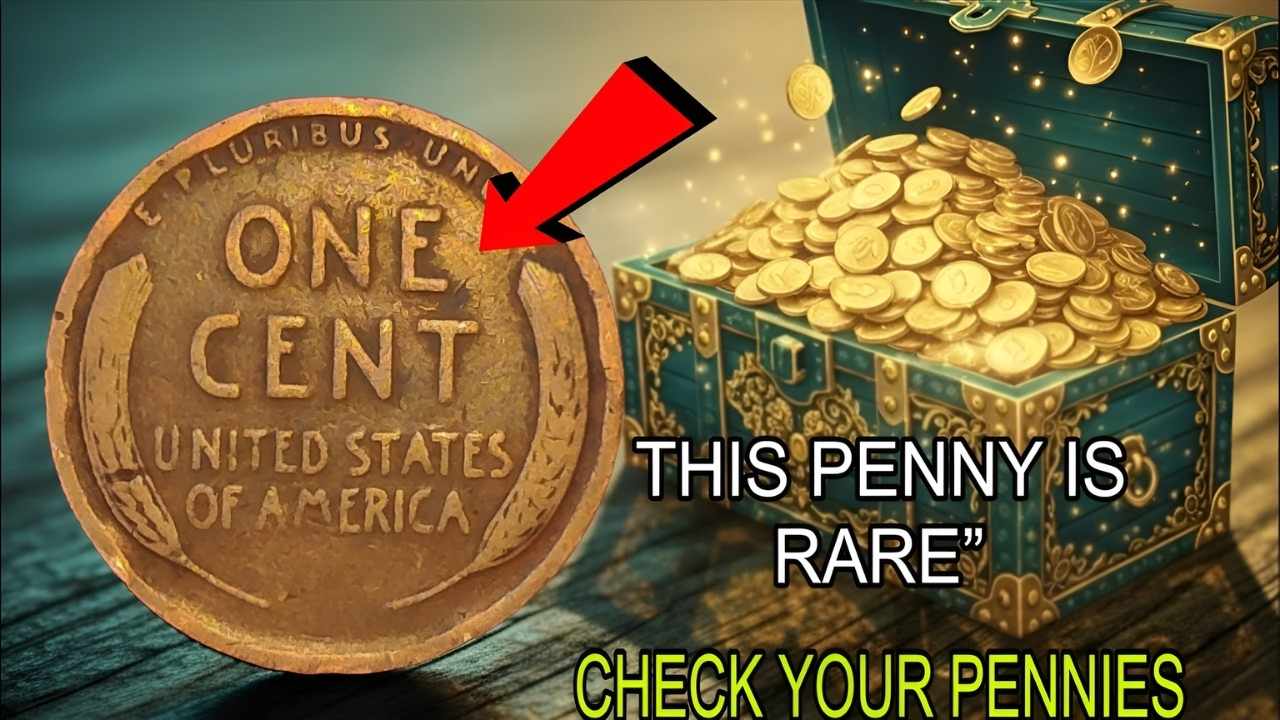
1976 Bicentennial Quarter Value Guide: The 1976 Bicentennial quarter is one of the most recognizable coins in American history. Issued to celebrate the 200th anniversary of the United States, it features a unique reverse design with a colonial drummer and a torch surrounded by thirteen stars. While millions of these coins were minted and most are worth only face value, certain rare varieties and minting errors have turned ordinary pocket change into treasures worth hundreds, thousands, and in some cases tens of thousands of dollars. This guide explores four rare Bicentennial quarters that can still be found hidden in circulation today.
The Story Behind the Bicentennial Quarter
The Bicentennial quarter was part of a special coinage program in 1975 and 1976 that included quarters, half dollars, and dollars. Each coin carried a dual date of 1776–1976 to mark the nation’s 200th birthday. The quarter’s reverse design was created by Jack L. Ahr, who won a national competition to design the commemorative coin. Because of its widespread circulation, the Bicentennial quarter became a symbol of patriotism and celebration. Yet hidden among the millions of coins are rare varieties that have captured the attention of collectors.
Silver Bicentennial Quarters
One of the most desirable versions of the Bicentennial quarter is the 40 percent silver issue. These coins were struck for collectors and sold in special sets by the U.S. Mint. Because they contain silver, they are worth more than face value even without errors. Depending on condition, silver Bicentennial quarters can range from a few dollars to several hundred dollars. High-grade examples certified by professional grading services can fetch even higher prices, especially when combined with unusual varieties. Finding one in circulation is rare but not impossible, making it a thrilling discovery for collectors.
Double Die Obverse Errors
Among the most valuable Bicentennial quarters are those with doubled die obverse errors. These coins show noticeable doubling in the inscriptions, particularly in the words “In God We Trust” or the date. Such errors occurred when the coin dies were misaligned during production. Collectors prize doubled die varieties because they are visually distinctive and rare. Depending on grade, a doubled die Bicentennial quarter can sell for thousands of dollars, making it one of the most sought-after error coins in the series.

Off-Center Strikes
Another rare error found in Bicentennial quarters is the off-center strike. This occurs when the coin blank is not properly aligned in the press, resulting in a design that is shifted away from the center. Off-center errors can vary in severity, with more dramatic examples commanding higher prices. A Bicentennial quarter struck significantly off-center can be worth hundreds or even thousands of dollars, depending on its condition and the degree of misalignment. Spotting one in circulation is a collector’s dream.
Wrong Planchet Strikes
Perhaps the most dramatic error is the wrong planchet strike, where a Bicentennial quarter was accidentally struck on a planchet intended for another denomination. For example, some Bicentennial quarters have been discovered struck on dime or foreign coin planchets. These rare mistakes are extremely valuable, often selling for thousands of dollars at auction. Because they are so unusual, wrong planchet Bicentennial quarters are considered among the most prized errors in American coinage.
Proof Errors
Proof Bicentennial quarters were struck with special care for collectors, but even these coins sometimes display errors. Examples include doubled dies, off-center strikes, or other unusual varieties. Because proof coins are expected to be perfect, any error makes them especially desirable. Collectors are willing to pay significant premiums for proof Bicentennial quarters with rare mistakes, often pushing values into the thousands.
Collecting Bicentennial Quarters
For collectors, the Bicentennial quarter offers a fascinating mix of history, patriotism, and numismatic intrigue. While most examples are common, the thrill lies in searching for rare varieties and errors. Collectors often look for coins in uncirculated condition or certified by grading services to ensure authenticity and maximize value. Even beginners can enjoy the hunt, as Bicentennial quarters are still widely available in circulation and coin shops.

Conclusion
The 1976 Bicentennial quarter is more than just a commemorative coin. It is a symbol of America’s 200th birthday and a reminder that even ordinary pocket change can hold extraordinary value. From silver issues to doubled die errors, off-center strikes, and wrong planchet varieties, these coins showcase the fascinating world of numismatics. For collectors, the Bicentennial quarter represents both history and opportunity, with rare examples worth thousands of dollars. Whether you are a seasoned collector or simply curious about the coins in your pocket, the Bicentennial quarter is a treasure worth exploring.