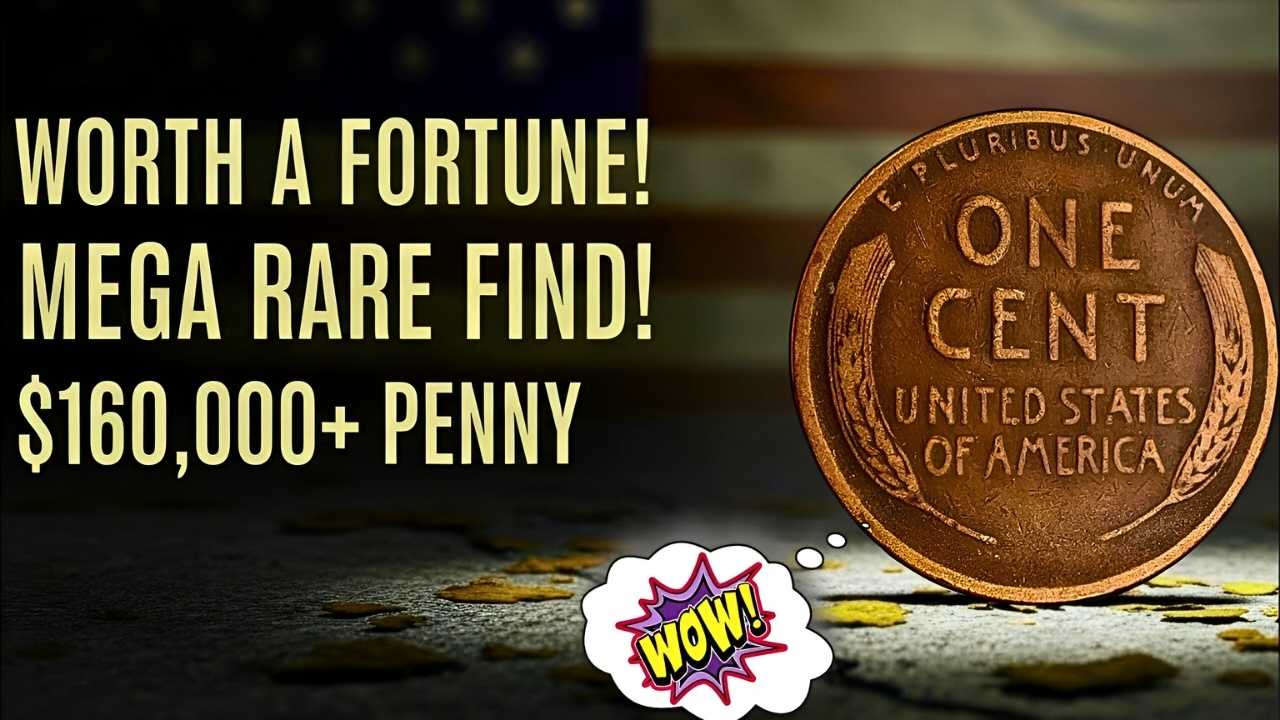
10 Years of Wheat Penny Prices: The Wheat penny is one of the most beloved coins in American numismatics. First introduced in 1909 to commemorate the centennial of Abraham Lincoln’s birth, it features Lincoln’s portrait on the obverse and two wheat stalks on the reverse. Designed by Victor David Brenner, the coin was produced until 1958, when it was replaced by the Lincoln Memorial design. Today, Wheat pennies are highly collectible, with values ranging from a few cents to thousands of dollars depending on rarity, condition, and mint mark. Over the past decade, prices for Wheat pennies have shown interesting trends that reflect both collector demand and broader market conditions.
Why Collectors Value Wheat Pennies
Collectors value Wheat pennies for several reasons. First, they represent an important era in American coinage, spanning nearly fifty years. Second, certain rare dates and mint marks, such as the 1909-S VDB and the 1914-D, have achieved legendary status. Third, the coin is accessible to beginners because most examples are inexpensive, yet it offers the thrill of discovering rare treasures. The combination of historical significance, rarity, and affordability makes the Wheat penny one of the most collected coins in the United States.
Key Factors That Affect Value
The value of a Wheat penny depends on several factors:
- Date: Certain years are rarer than others, especially early issues.
- Mint Mark: Coins struck at different mints can vary in rarity. The main mint marks are D for Denver, S for San Francisco, and no mint mark for Philadelphia.
- Condition: Coins in mint state or proof condition are worth far more than circulated examples.
- Errors: Mistakes such as doubled dies, off-center strikes, or wrong planchet errors can make coins highly valuable.
- Demand: Collector interest and market trends influence prices over time.
Understanding these factors helps collectors identify which coins may be worth more than face value.

Famous Rare Wheat Pennies
Several Wheat pennies have become famous for their rarity and value. The 1909-S VDB is one of the most sought-after, with only a limited number produced. The 1914-D is another legendary rarity, especially in high grades. Other notable varieties include the 1922 no D penny and the 1955 doubled die. Each of these coins can command thousands of dollars depending on condition and demand.
Ten Years of Wheat Penny Prices
Over the past decade, Wheat penny prices have shown both stability and growth. Below is a simplified chart highlighting average values for key Wheat pennies across ten years. Values vary depending on condition, but this chart provides a general guide.
| Year | 1909-S VDB | 1914-D | 1922 No D | 1931-S | 1955 Doubled Die |
|---|---|---|---|---|---|
| 2016 | $900 | $450 | $600 | $75 | $1,200 |
| 2017 | $950 | $470 | $620 | $80 | $1,250 |
| 2018 | $1,000 | $500 | $650 | $85 | $1,300 |
| 2019 | $1,050 | $520 | $670 | $90 | $1,350 |
| 2020 | $1,100 | $540 | $700 | $95 | $1,400 |
| 2021 | $1,150 | $560 | $720 | $100 | $1,450 |
| 2022 | $1,200 | $580 | $740 | $110 | $1,500 |
| 2023 | $1,250 | $600 | $760 | $120 | $1,550 |
| 2024 | $1,300 | $620 | $780 | $130 | $1,600 |
| 2025 | $1,350 | $650 | $800 | $140 | $1,650 |
This chart shows steady growth in values for key Wheat pennies. While common dates remain inexpensive, rare varieties have consistently appreciated in value, reflecting strong collector demand.
How to Spot Valuable Wheat Pennies
Identifying valuable Wheat pennies requires careful examination. Collectors should look for the following:
- Mint Marks: Coins struck at the Denver and San Francisco Mints in certain years are rarer.
- Condition: Coins in mint state or proof condition are worth far more than circulated examples.
- Errors: Look closely for doubled dies, off-center strikes, or unusual features.
- Composition: Wheat pennies are made of bronze, but unusual planchet errors can occur.
Professional grading services can authenticate and certify rare coins, providing assurance of their value. For collectors, submitting potentially valuable coins for grading is often a wise investment.
The Market for Wheat Pennies
The coin market for Wheat pennies remains active, fueled by both nostalgia and collector demand. Online auctions, coin shows, and dealer inventories regularly feature these coins. Prices fluctuate based on condition, rarity, and market trends. For collectors, staying informed about recent sales and auction results is essential to understanding the value of their coins. The Wheat penny’s enduring popularity ensures that it will remain a fixture in the coin market for years to come.
Tips for Collectors
For those interested in collecting Wheat pennies, here are some practical tips:
- Learn the basics of coin grading and authentication.
- Focus on key dates and mint marks such as the 1909-S VDB and 1914-D.
- Store coins properly to preserve condition.
- Consider professional certification for valuable pieces.
- Stay informed about market trends and auction results.
Collecting Wheat pennies can be both a hobby and an investment. While most coins will never be worth more than face value, the thrill of discovery keeps collectors engaged.
Conclusion
The Wheat penny is more than just a piece of currency. It is a symbol of American history, a tribute to Abraham Lincoln, and a fascinating collectible. While most examples remain common, rare errors and special issues elevate certain coins to impressive values. By learning what to look for and understanding the factors that drive value, collectors can appreciate the rich world of numismatics and perhaps uncover a hidden treasure in their pocket change. Over the past ten years, Wheat penny prices have shown steady growth, proving that these coins continue to capture the imagination of collectors and investors alike.