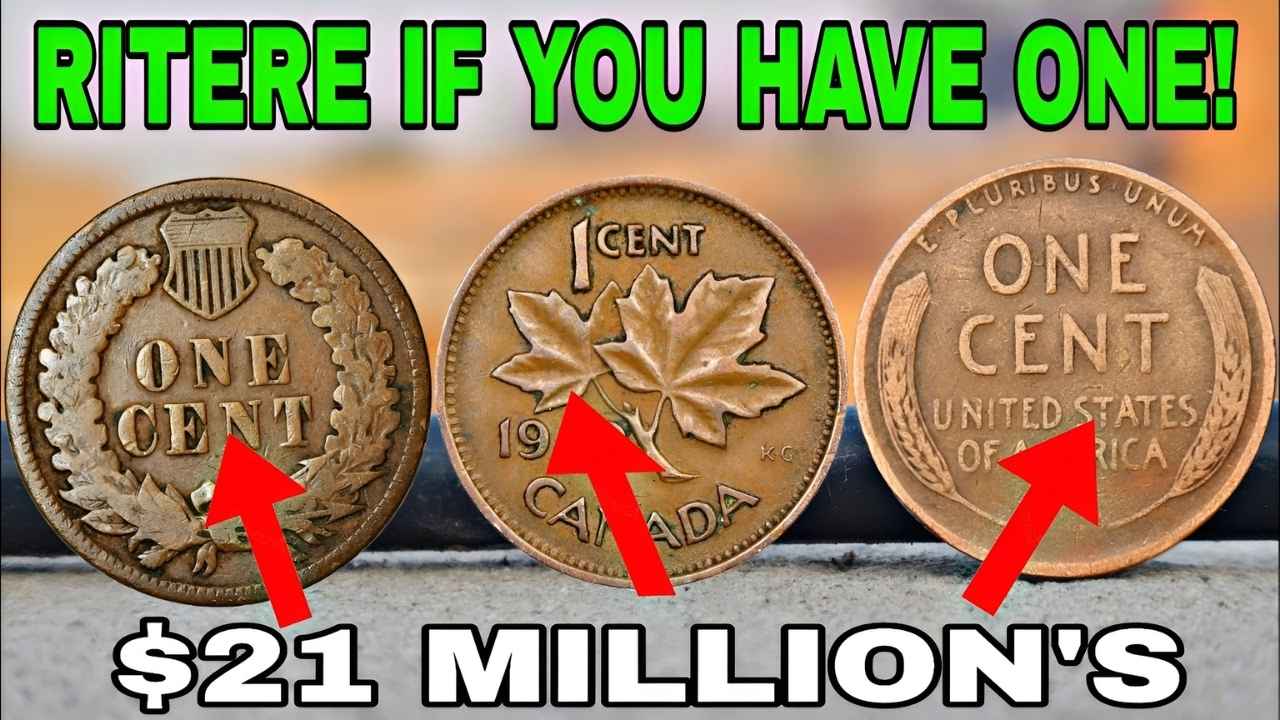
Lincoln Wheat Penny Worth $99 Million: Coin collecting has always been more than just a pastime. For many, it is a journey into history, culture, and the hidden stories behind everyday objects. Coins are not only currency but also artifacts that reflect the times in which they were minted. Among the most famous coins in American history is the Lincoln Wheat Penny, a coin that continues to capture the imagination of collectors worldwide. Recently, sensational claims have circulated about a Lincoln Wheat Penny valued at an astonishing 99 million dollars. Whether fact or fiction, this story has reignited interest in the humble penny that might still be hiding in your change.
The Origins Of The Lincoln Wheat Penny
The Lincoln Wheat Penny was first introduced in 1909 to commemorate the 100th anniversary of Abraham Lincoln’s birth. It was the first American coin to feature a real person rather than a symbolic figure, marking a significant shift in coin design. Sculptor Victor David Brenner created the design, with Lincoln’s profile on the obverse and two wheat stalks on the reverse. The wheat design symbolized prosperity and growth, while Lincoln’s portrait honored one of the nation’s most revered presidents. The coin was minted until 1958, after which the reverse design was changed to feature the Lincoln Memorial.

Why The Wheat Penny Is Special
The Lincoln Wheat Penny is distinctive because of its design and historical significance. The wheat stalks on the reverse symbolize growth and abundance, while Lincoln’s portrait reflects the nation’s respect for his legacy. Collectors value these coins not only for their artistry but also for the stories they tell about America’s past. While most Wheat Pennies are worth only a few cents above their face value, certain rare variations and minting errors can be worth thousands or even millions of dollars.
The Story Behind The 99 Million Dollar Penny
The claim that a Lincoln Wheat Penny is worth 99 million dollars has captured headlines and stirred excitement. Such a valuation would make it one of the most valuable coins in existence. However, the truth behind this story is more complicated. While rare Wheat Pennies can indeed be worth significant sums, the idea of one reaching 99 million dollars is likely exaggerated or based on speculation rather than verified auction results. In the world of coin collecting, rarity and condition drive value, but even the rarest coins seldom reach such astronomical figures.

How Coin Values Are Determined
The value of a coin depends on several factors. Rarity is the most important, followed by condition, demand, and historical significance. Coins are graded on a scale ranging from poor to mint state, with mint state coins being flawless examples that show no signs of wear. Professional grading services authenticate and evaluate coins, providing collectors with confidence in their purchases. A Wheat Penny in mint condition with a rare variation can command high prices, but claims of 99 million dollars should be approached with caution.
Famous Rare Wheat Pennies
Several Wheat Pennies are known for their rarity and high value. The 1909-S VDB penny, minted in San Francisco with designer Victor David Brenner’s initials, is one of the most famous. Another is the 1914-D penny, which is scarce in high grades. The 1922 No D penny, struck in Denver without a visible mint mark, is another rarity. The 1943 copper penny, mistakenly struck on copper planchets during World War II, is legendary and has sold for tens or hundreds of thousands of dollars. The 1955 doubled die obverse penny, with its distinctive doubling on the inscriptions, is also highly prized. While valuable, none of these coins have reached the 99 million dollar mark.
The Role Of Minting Errors
Minting errors add intrigue and value to coins. Errors can occur when coins are struck on the wrong planchet, when designs are doubled, or when other mechanical mistakes happen during production. These errors are rare and create unique coins that collectors prize. The 1943 copper penny and the 1955 doubled die obverse are prime examples of how mistakes can transform ordinary currency into extraordinary treasures. Such coins highlight the importance of examining pennies closely, as hidden errors can make them worth far more than their face value.
Everyday Discoveries Of Rare Coins
One of the most exciting aspects of coin collecting is the possibility of finding rare coins in everyday life. There are countless stories of individuals discovering valuable Wheat Pennies in change jars, inherited collections, or even while cleaning out attics. The idea that a coin worth thousands or even millions could be sitting unnoticed in a box of old pennies adds an element of thrill to the hobby. While the chance of finding a coin worth 99 million dollars is slim, the possibility keeps collectors searching.

The Cultural Significance Of The Wheat Penny
Beyond its monetary value, the Wheat Penny holds cultural significance. It represents a period in American history when coins were designed with symbolism and artistry. The decision to honor Abraham Lincoln reflected the nation’s respect for his legacy. The wheat design symbolized growth during a time of change and progress. Collectors often appreciate these coins not only for their rarity but also for the stories they tell about America’s past.
Tips For Identifying Valuable Wheat Pennies
For those curious about whether they might have a valuable Wheat Penny, there are a few tips to keep in mind. First, check the date and mint mark. Certain years, such as 1909-S VDB or 1943 copper, are more valuable. Second, examine the coin’s condition. Coins with little wear are worth more. Finally, look for unusual features such as doubling, off center strikes, or other errors. If you suspect you have a rare coin, consider having it professionally graded to determine its true value.

The Thrill Of Coin Collecting
Coin collecting is often described as a treasure hunt. Each coin tells a story, and the possibility of finding something rare adds excitement to the hobby. Collectors enjoy the process of learning about history, identifying variations, and building collections that reflect their interests. The Lincoln Wheat Penny is a perfect example of how a simple coin can become a prized possession. Whether worth a few cents or thousands of dollars, these coins connect people to the past in a tangible way.
The Market For Rare Coins
The market for rare coins is robust, with auctions regularly drawing significant attention. Wealthy collectors and investors are willing to pay large sums for unique coins, driving prices higher. The 99 million dollar Wheat Penny is an extreme example, but it highlights the potential value in coin collecting. For many, coins are not only collectibles but also investments that can appreciate over time. The combination of history, rarity, and demand makes rare coins a fascinating market to watch.

Why The Story Captures Imagination
The story of a penny worth 99 million dollars captures the imagination because it challenges our perception of value. A penny is the smallest denomination of currency, often overlooked or discarded. Yet under the right circumstances, it can be worth more than a mansion or a luxury car. This contrast between the ordinary and the extraordinary is what makes the story so compelling. It reminds us that treasures can be hidden in plain sight.
Final Thoughts On The Lincoln Wheat Penny
The Lincoln Wheat Penny is more than just a coin. It is a symbol of history, artistry, and the thrill of discovery. The story of a penny valued at 99 million dollars has reignited interest in coin collecting and inspired people to look more closely at the change in their pockets. While the claim is likely fiction, the excitement it generates highlights the enduring appeal of rare coins. In the end, the true value of the Wheat Penny lies not only in its monetary worth but also in the stories it tells and the joy it brings to those who cherish it.