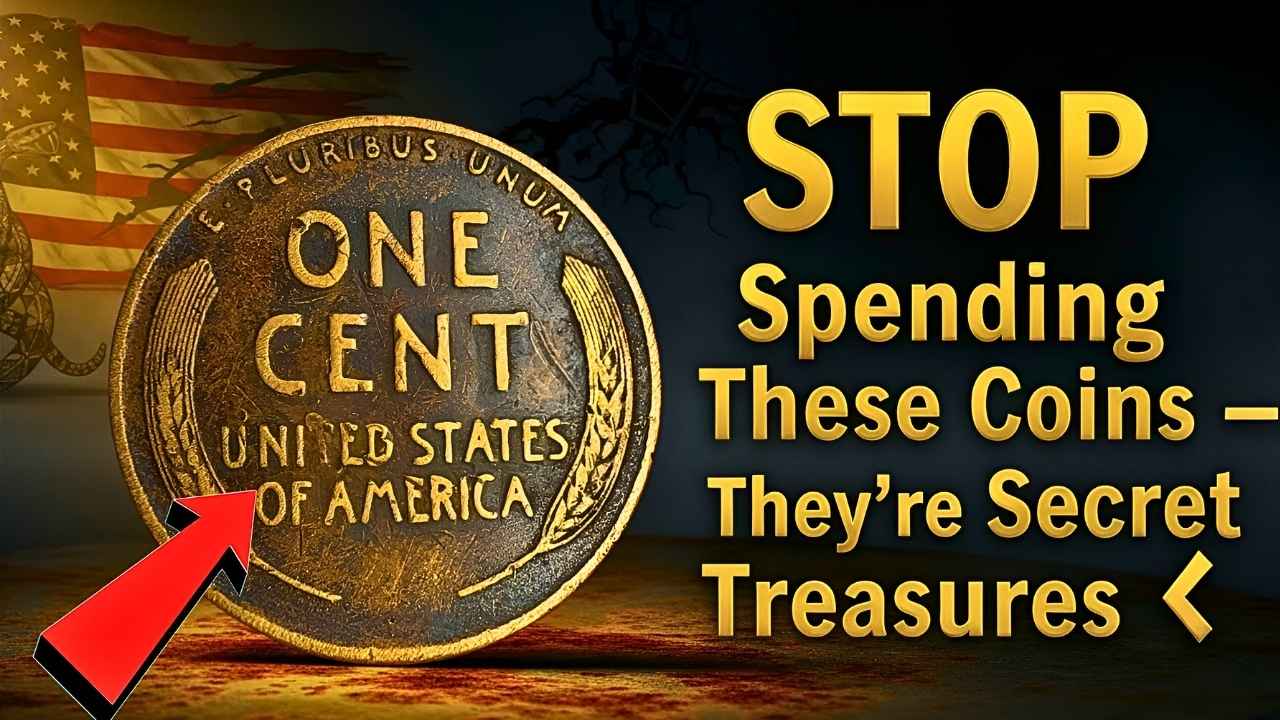
Lincoln Wheat Penny Value Guide: The Lincoln Wheat penny is one of the most iconic coins in American history. First minted in 1909 to honor the centennial of Abraham Lincoln’s birth, it quickly became a staple in circulation and a favorite among collectors. While most Wheat pennies are worth only a few cents today, certain rare dates, mint marks, and error varieties have achieved legendary status, commanding values from thousands to millions of dollars. This guide explores the most valuable Lincoln Wheat pennies and explains why they are so highly prized.
The Birth of the Lincoln Wheat Penny
In 1909, the United States Mint introduced the Lincoln cent, replacing the Indian Head design. Victor David Brenner created the new design, featuring Lincoln’s portrait on the obverse and two wheat stalks on the reverse. The coin was revolutionary because it was the first U.S. coin to feature a real person rather than a symbolic figure. Collectors immediately recognized its significance, and certain early issues became instant rarities.
1909 S VDB Penny
The 1909 S VDB penny is perhaps the most famous Wheat cent. It was struck at the San Francisco Mint with the designer’s initials, VDB, prominently displayed on the reverse. Only 484,000 coins were minted before the initials were removed due to controversy over their prominence. Because of its low mintage and historical importance, the 1909 S VDB penny is worth thousands of dollars in circulated condition and can reach well into six figures in pristine grades.
1914 D Penny
The 1914 D penny is another key rarity in the Wheat cent series. Struck at the Denver Mint, only about 1.2 million were produced, and few survive in high grades. Collectors prize this coin because it is one of the toughest dates to find in uncirculated condition. Depending on grade, the 1914 D penny can range from several hundred dollars to tens of thousands, making it a cornerstone of any serious Wheat cent collection.
1922 No D Penny
The 1922 No D penny is a fascinating variety created by a minting error. All Lincoln cents in 1922 were supposed to carry the Denver mint mark, but one die was improperly prepared, resulting in coins without the D. This variety is extremely rare and highly sought after. In circulated condition, it can sell for thousands of dollars, while uncirculated examples can command tens of thousands. The 1922 No D penny is a reminder of how minting mistakes can create treasures.
1931 S Penny
The 1931 S penny is another low-mintage rarity. With only 866,000 coins struck, it is one of the scarcest Wheat cents of the 1930s. Collectors often overlook it compared to the more famous 1909 S VDB or 1914 D, but its scarcity makes it valuable. In high grades, the 1931 S penny can sell for thousands of dollars, making it a hidden gem in the series.
1943 Copper Penny
The 1943 copper penny is one of the most legendary coins in American numismatics. During World War II, the Mint switched to zinc-coated steel planchets to conserve copper for the war effort. However, a few copper planchets from 1942 were accidentally used in 1943, creating an extremely rare coin. Only a handful are known to exist, and they have sold for hundreds of thousands of dollars at auction. In some cases, pristine examples have reached values close to a million dollars, making the 1943 copper penny one of the most valuable coins ever struck.
1944 Steel Penny
In 1944, the Mint returned to copper planchets, but a few leftover steel blanks from 1943 were mistakenly used. The result was the 1944 steel penny, another legendary rarity. These coins are extremely scarce and highly prized by collectors. Depending on condition, they can sell for tens of thousands of dollars, with some examples reaching six figures. The 1944 steel penny is a fascinating counterpart to the 1943 copper penny.
1955 Doubled Die Penny
The 1955 doubled die penny is one of the most famous error coins in U.S. history. The doubling on the obverse inscriptions, especially “Liberty” and “In God We Trust,” is dramatic and easily visible without magnification. Collectors love this coin because of its striking appearance and rarity. Even in circulated condition, the 1955 doubled die penny can sell for thousands of dollars, while uncirculated examples can reach tens of thousands. It remains one of the most iconic error coins ever produced.
Other Valuable Wheat Pennies
While the coins listed above are the most famous, many other Wheat pennies are worth significant amounts. Key dates such as the 1909 S without VDB, the 1911 S, and the 1924 D are all highly collectible. Error varieties, including off-center strikes and repunched mint marks, can also add value. Collectors often seek complete sets, and filling the key date slots is both challenging and rewarding.
Collecting Lincoln Wheat Pennies
For collectors, Lincoln Wheat pennies offer a perfect blend of history, artistry, and opportunity. They are widely available, making them accessible to beginners, yet they also include rarities that challenge even the most advanced numismatists. Collectors often focus on building complete date-and-mintmark sets, searching for errors, or investing in high-grade examples. Professional grading services can help authenticate and preserve valuable coins, ensuring they retain their worth for generations.
Conclusion
The Lincoln Wheat penny is more than just a coin. It is a piece of American history that tells stories of artistry, scarcity, and even wartime necessity. From the legendary 1909 S VDB to the astonishing 1943 copper penny, these coins have achieved values ranging from thousands to millions of dollars. For collectors, the pursuit of Wheat pennies is both a passion and an adventure, offering the thrill of discovery and the satisfaction of preserving history. Whether you are just beginning your journey or already a seasoned collector, the Lincoln Wheat penny remains one of the most rewarding coins to collect.