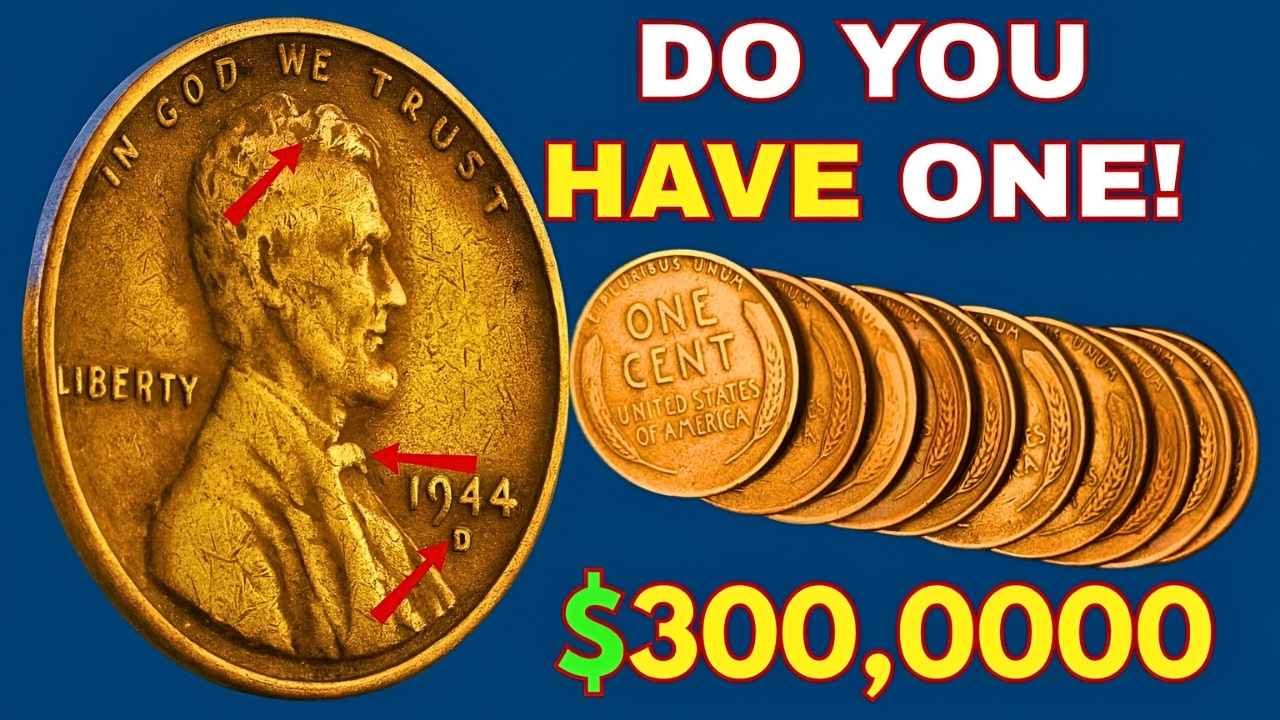
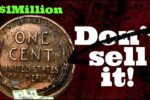
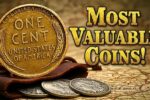
Rare Lincoln Wheat Penny Errors Worth Up to $576,000: The Lincoln Wheat Penny is one of the most iconic coins in American history. First minted in 1909 to celebrate the centennial of Abraham Lincoln’s birth, it was the first circulating U.S. coin to feature a real person rather than a symbolic figure. Designed by Victor David Brenner, the obverse shows Lincoln’s profile while the reverse features two wheat stalks framing the words “One Cent.” For nearly half a century, this penny was part of everyday life, but today it is a prized collectible, especially when minting errors are involved.
Why Error Coins Fascinate Collectors
Error coins are special because they represent mistakes that slipped through the minting process. Unlike ordinary coins, these flawed pieces are rare and often unique. Collectors value them for their scarcity, the story behind the error, and the challenge of finding them. The more dramatic or unusual the error, the higher the potential value. Some Lincoln Wheat Penny errors have reached legendary status, commanding prices that rival fine art.
The Record Breaking $576,000 Wheat Penny
Among the most famous examples is a Lincoln Wheat Penny that sold for an astonishing $576,000. This coin’s rarity stems from a combination of historical context and minting anomaly. While most Wheat Pennies are worth only a few cents to a few dollars, this extraordinary specimen captured the attention of collectors worldwide. Its record-setting price highlights how numismatic treasures can transform humble pocket change into a fortune.
Types of Lincoln Wheat Penny Errors
Collectors should be aware of several categories of errors that can elevate a coin’s value.
- Doubled Die Errors: These occur when the coin die imprints a doubled image, often visible in the date or lettering. The 1955 doubled die penny is one of the most famous examples.
- Off-Center Strikes: Coins struck outside the proper alignment show partial designs and can be highly desirable.
- Repunched Mint Marks: When mint marks are stamped more than once, overlapping impressions create a distinctive look.
- Die Cracks and Cuds: Breaks in the die can leave raised lines or blobs of metal on the coin’s surface.
- Wrong Planchet Errors: Occasionally, pennies are struck on planchets intended for other coins, creating dramatic rarities.
Each of these errors tells a story about the minting process and adds character to the coin.
How to Spot Valuable Errors
Identifying valuable errors requires careful observation. Collectors often use magnifying glasses or microscopes to detect doubled dies, misplaced mint marks, or subtle die cracks. Lighting is crucial, as certain errors only reveal themselves under specific angles. Patience and practice are essential, since many errors are microscopic and easily overlooked. A coin that appears ordinary at first glance may hide a fortune in its details.
Historical Context of Wheat Penny Errors
The Lincoln Wheat Penny was minted during pivotal decades in American history, including the Great Depression and World War II. Error coins from these eras carry added historical resonance. Collectors are drawn not only to the rarity of these coins but also to the stories they tell about America’s past. Owning a rare Wheat Penny is like holding a piece of history in your hand.
Market Trends and Collector Demand
The market for rare pennies has grown steadily, fueled by both collectors and investors. High-profile auction sales, such as the $576,000 Wheat Penny, have drawn attention to the potential of coin collecting as an investment. While most pennies will never reach such heights, even modest errors can command hundreds or thousands of dollars. The key is knowledge, patience, and a willingness to search diligently.
Risks and Challenges in Collecting
Collectors should be cautious of counterfeit coins and exaggerated claims. The popularity of error pennies has led to a rise in fakes, often produced by altering genuine coins. Authenticity is paramount, and professional grading services can help verify a coin’s legitimacy. Another challenge is distinguishing between true mint errors and post-mint damage, which has no collectible value. Education and trusted sources are essential safeguards.
Tips for Aspiring Collectors
For those interested in starting a collection, here are practical steps.

- Begin by examining pennies in circulation, as rare finds still occasionally appear.
- Invest in basic tools like magnifiers and coin reference books.
- Learn to recognize common errors and study examples at coin shows or auctions.
- Consider joining numismatic clubs to connect with experienced collectors.
- When purchasing rare coins, rely on reputable dealers and grading services.
These steps can help beginners avoid costly mistakes and build a rewarding collection.
The Allure of the Hunt
Part of the excitement of coin collecting lies in the hunt. Searching through rolls of pennies, estate sales, or flea markets can yield surprising discoveries. The possibility that an overlooked coin could be worth thousands adds thrill to the hobby. Collectors often describe the joy of finding an error penny as a mix of history, luck, and skill.
The Future of Wheat Penny Collecting
As time passes, Lincoln Wheat Pennies become scarcer in circulation. Error coins, already rare, will only grow more valuable as demand increases. Younger generations of collectors are discovering the appeal of these coins, ensuring that the market remains strong. The combination of historical significance, artistic design, and potential for rare errors makes the Wheat Penny a timeless collectible.
Conclusion
The Lincoln Wheat Penny continues to captivate collectors more than a century after its debut. Its combination of historical significance, artistic design, and potential for rare errors makes it one of the most beloved coins in American numismatics. Whether worth a few cents or hundreds of thousands of dollars, each Wheat Penny tells a story of craftsmanship, history, and chance. For collectors, the thrill lies in the hunt, the discovery, and the possibility that the next coin could be a hidden treasure.