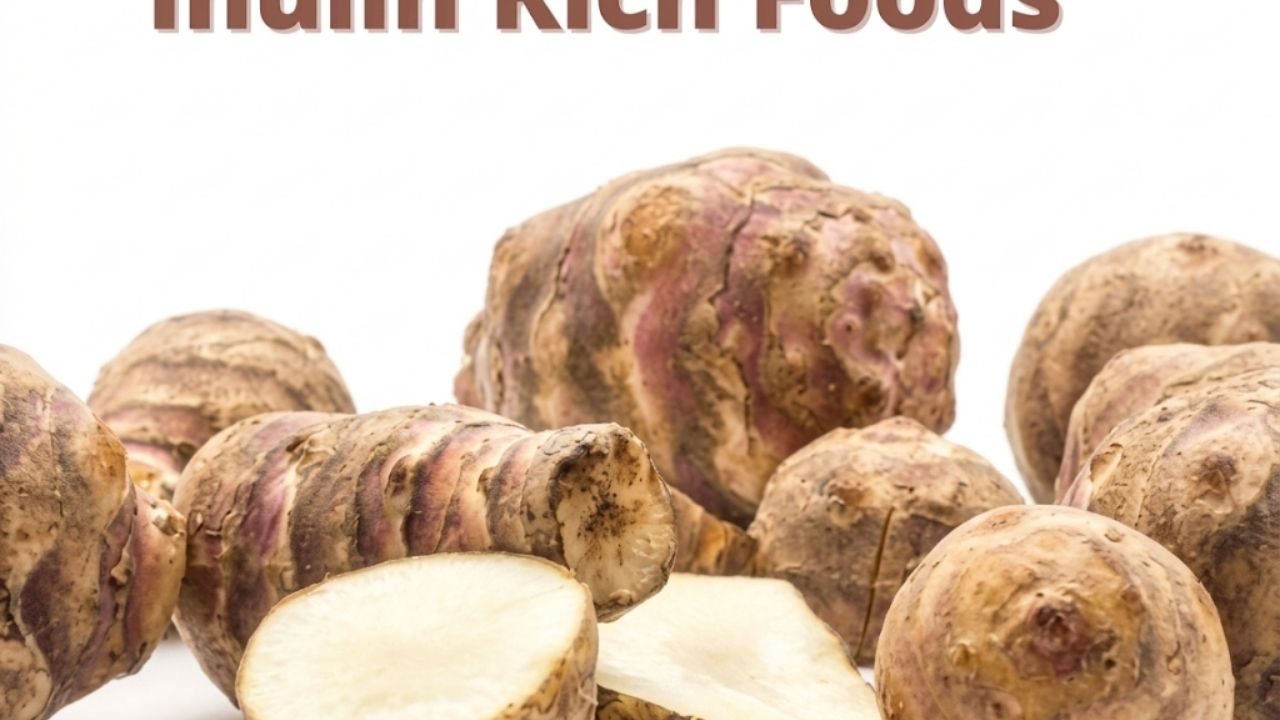
Best Foods That Are: Inulin is a natural dietary fiber that has gained significant attention in recent years for its health-promoting benefits. Found in various plants, inulin is classified as a prebiotic, meaning it serves as food for the beneficial bacteria in the gut. Consuming foods rich in inulin can support digestion, improve gut health, and contribute to overall wellness. In 2026, nutrition experts continue to emphasize the importance of incorporating inulin into a balanced diet to enhance immune function, regulate blood sugar, and promote heart health.
Understanding which foods contain inulin and how to integrate them into daily meals can help individuals maintain optimal health while enjoying a variety of flavors and textures.
What is Inulin?
Inulin is a type of soluble fiber that naturally occurs in many vegetables, fruits, and grains. Unlike other carbohydrates, inulin passes through the digestive system largely intact until it reaches the colon. There, it serves as a fuel source for beneficial gut bacteria, helping to maintain a healthy microbiome.
Beyond its prebiotic properties, inulin can improve calcium absorption, regulate blood sugar levels, and support weight management by promoting a feeling of fullness. These benefits make inulin an essential component of a nutrient-rich diet.
Top Foods Rich in Inulin
Chicory Root
Chicory root is one of the richest natural sources of inulin. Often used as a coffee substitute or dietary supplement, chicory contains high concentrations of this fiber, making it excellent for gut health and digestive support. Adding roasted or powdered chicory root to meals can significantly increase inulin intake.
Jerusalem Artichoke
Also known as sunchoke, Jerusalem artichoke is a tuber that offers a crunchy texture and sweet flavor. It is loaded with inulin, which can improve digestive function and help maintain healthy blood sugar levels. Cooking, roasting, or lightly steaming Jerusalem artichokes makes them a versatile addition to salads and side dishes.

Garlic
Garlic is more than just a flavorful seasoning; it is a potent source of inulin. Regular consumption of garlic can support the growth of beneficial gut bacteria, improve cardiovascular health, and strengthen the immune system. It can be consumed raw, roasted, or incorporated into a variety of dishes for added nutritional value.
Onions
Onions are widely used in cuisines worldwide and contain substantial amounts of inulin. They promote digestive health and may help regulate blood sugar. Red, white, and yellow onions all provide prebiotic benefits, making them easy to include in soups, salads, and sautés.
Leeks
Leeks have a mild, sweet flavor and are another excellent source of inulin. Including leeks in soups, stir-fries, or roasted dishes can increase fiber intake while supporting gut health and overall digestion.
Asparagus
Asparagus is not only nutrient-dense but also contains significant inulin levels. This vegetable supports healthy gut bacteria and adds a fresh, crisp element to meals. Lightly steaming or grilling asparagus preserves its nutrients while enhancing its natural flavor.
Bananas
Particularly slightly underripe bananas contain inulin. They are convenient for snacking and can support digestive health while providing natural sweetness. Including bananas in smoothies, breakfast bowls, or snacks adds fiber along with essential vitamins and minerals.
Other Sources
Additional sources of inulin include dandelion greens, wheat, barley, and certain nuts like chicory-based snacks or natural supplements derived from these plants. Incorporating a variety of these foods ensures a diverse intake of inulin and other beneficial nutrients.

Health Benefits of Inulin
Improved Digestive Health
Inulin acts as a prebiotic, feeding the friendly bacteria in the gut. This helps balance the microbiome, which can reduce digestive discomfort, enhance nutrient absorption, and improve bowel regularity.
Blood Sugar Management
Research shows that inulin may slow the absorption of glucose, contributing to more stable blood sugar levels. Including inulin-rich foods in meals may be particularly beneficial for individuals with insulin sensitivity or type 2 diabetes.
Heart Health Support
Inulin has been associated with improved lipid profiles, including lower triglycerides and reduced cholesterol levels. Regular intake may support cardiovascular health and reduce the risk of heart disease.
Bone Health
Inulin enhances the absorption of calcium and magnesium, two essential minerals for maintaining strong bones. Consuming inulin-rich foods alongside calcium sources can strengthen bone density and reduce the risk of osteoporosis.
How to Include Inulin in Your Diet
Incorporating inulin into daily meals is straightforward. Start by adding small amounts of inulin-rich vegetables like garlic, onions, or leeks to dishes. Include chicory root or Jerusalem artichoke in recipes, and snack on bananas for an easy fiber boost. Gradually increase intake to prevent digestive discomfort, as excessive inulin may cause bloating or gas initially.
Pairing inulin with a variety of other fiber sources ensures a balanced diet that supports gut health and overall nutrition.

Conclusion
In 2026, inulin continues to be recognized as a powerful dietary fiber with numerous health benefits. Foods rich in inulin, such as chicory root, garlic, onions, leeks, asparagus, and bananas, can improve digestive health, regulate blood sugar, and support heart and bone health.
By thoughtfully incorporating these foods into daily meals, individuals can enhance their well-being and maintain a healthy gut microbiome. Consistent consumption of inulin-rich foods is a simple yet effective strategy for achieving better health while enjoying a diverse and flavorful diet.
