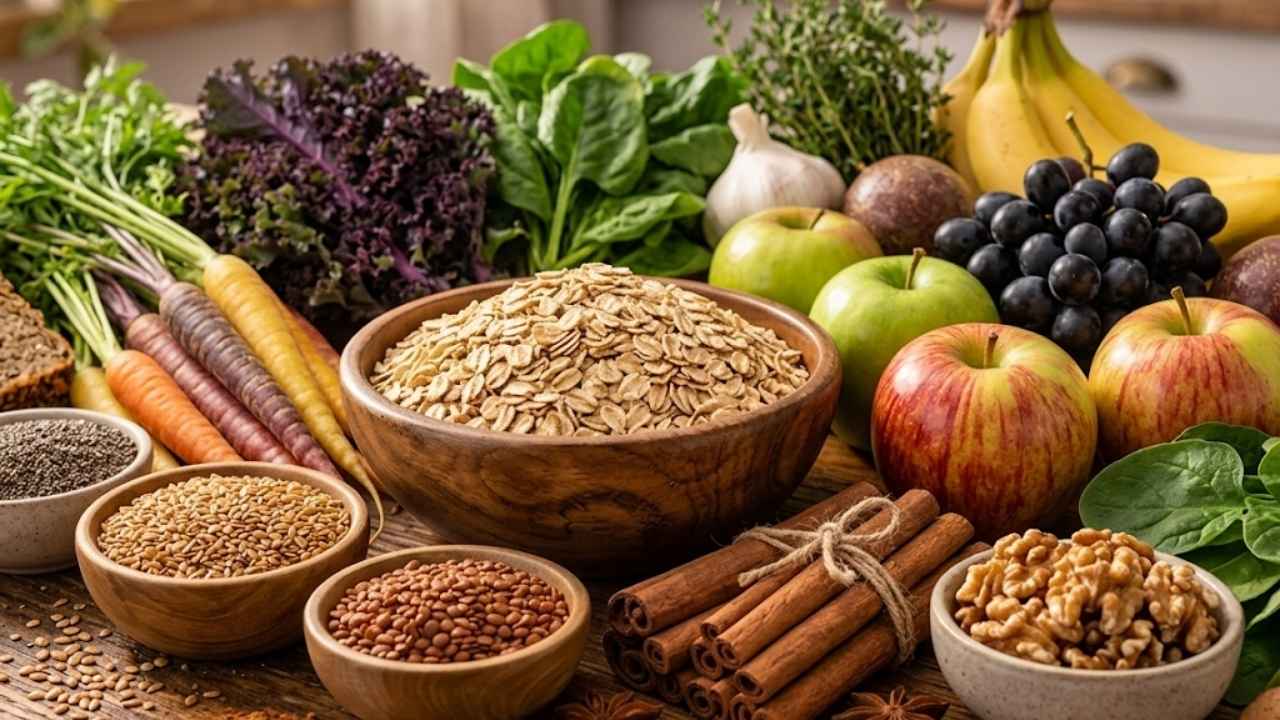
High-Fiber Foods: Fiber is an essential nutrient that plays a crucial role in maintaining overall health and supporting proper digestive function. It is a type of carbohydrate found in plant-based foods that cannot be fully digested by the body, allowing it to pass through the digestive system largely intact. High-fiber foods not only aid in digestion but also provide numerous other health benefits, including weight management, blood sugar control, and reduced risk of chronic diseases. Incorporating fiber-rich foods into your daily diet can significantly enhance your well-being and promote long-term health.
Understanding Dietary Fiber
Dietary fiber comes in two main types: soluble and insoluble. Soluble fiber dissolves in water, forming a gel-like substance that helps regulate blood sugar and lower cholesterol levels. Foods rich in soluble fiber include oats, apples, oranges, and legumes. Insoluble fiber, on the other hand, adds bulk to the stool and promotes regular bowel movements, helping prevent constipation and supporting digestive health. Whole grains, nuts, seeds, and vegetables are excellent sources of insoluble fiber.
Both types of fiber are important for a balanced diet, and consuming a variety of high-fiber foods ensures that the body receives the combined benefits of both.
Benefits of High-Fiber Foods
High-fiber foods offer numerous advantages for overall health. Regular intake can improve digestion, prevent constipation, and support a healthy gut microbiome. Fiber acts as a prebiotic, feeding beneficial bacteria in the intestines, which helps maintain a balanced digestive environment and strengthens the immune system.
Fiber also plays a role in weight management. Foods high in fiber tend to be more filling and take longer to chew and digest, reducing overall calorie intake and preventing overeating. Including fiber-rich foods in meals can help maintain a healthy weight and prevent obesity-related conditions.

Additionally, high-fiber diets are associated with improved heart health. Soluble fiber helps reduce LDL cholesterol, also known as “bad” cholesterol, which lowers the risk of heart disease. Fiber can also regulate blood sugar levels, making it beneficial for individuals with diabetes or those at risk of developing the condition.
Best High-Fiber Foods
Incorporating a variety of fiber-rich foods into your diet is key to maximizing their health benefits. Some of the best options include:
Fruits
Many fruits are naturally high in fiber. Apples, pears, berries, oranges, and bananas provide both soluble and insoluble fiber. These fruits also contain essential vitamins, antioxidants, and water, which enhance digestive health and overall wellness.
Vegetables
Vegetables are another excellent source of dietary fiber. Leafy greens, broccoli, carrots, Brussels sprouts, and cauliflower are rich in fiber and other nutrients that support digestion, immunity, and cardiovascular health. Including a variety of vegetables in every meal ensures consistent fiber intake.
Whole Grains
Switching from refined grains to whole grains is one of the most effective ways to increase dietary fiber. Brown rice, quinoa, barley, whole wheat, and oats are high in fiber and provide sustained energy throughout the day. Whole grains also help regulate blood sugar levels and improve digestive function.

Legumes
Beans, lentils, chickpeas, and peas are fiber-rich powerhouses. They are also an excellent source of plant-based protein, making them ideal for vegetarians and vegans. Regular consumption of legumes promotes satiety, supports gut health, and reduces the risk of chronic diseases such as heart disease and diabetes.
Nuts and Seeds
Almonds, chia seeds, flaxseeds, and walnuts are packed with fiber, healthy fats, and essential nutrients. They are convenient snacks that help maintain digestive health, control appetite, and improve heart health.
Tips for Increasing Fiber Intake
While incorporating high-fiber foods is beneficial, it is important to increase fiber gradually to avoid digestive discomfort such as bloating or gas. Drinking plenty of water is essential when consuming fiber, as it helps the fiber move smoothly through the digestive system.
Start by adding one or two servings of high-fiber foods to your meals and gradually increase the amount. Replacing refined grains with whole grains, snacking on fruits and nuts, and including vegetables in every meal are simple strategies to boost fiber intake.
Fiber and Digestive Wellness
A diet rich in fiber is closely linked to better digestive wellness. Fiber adds bulk to the stool, preventing constipation and promoting regular bowel movements. It also helps maintain a healthy gut microbiome, which plays a critical role in nutrient absorption, immune function, and mental health. Regular consumption of high-fiber foods can reduce the risk of digestive disorders such as diverticulitis, irritable bowel syndrome, and colorectal cancer.

Conclusion
High-fiber foods are an essential component of a healthy diet, offering numerous benefits for digestion, heart health, weight management, and overall wellness. Fruits, vegetables, whole grains, legumes, nuts, and seeds provide both soluble and insoluble fiber, helping maintain a healthy gut, regulate blood sugar, and promote satiety. Gradually increasing fiber intake and drinking plenty of water ensures optimal digestive function and prevents discomfort. Incorporating a variety of fiber-rich foods into daily meals is a simple yet powerful way to support long-term health, improve energy levels, and enhance overall well-being. By making fiber a priority, you can take a proactive step toward better digestion and a healthier lifestyle.
