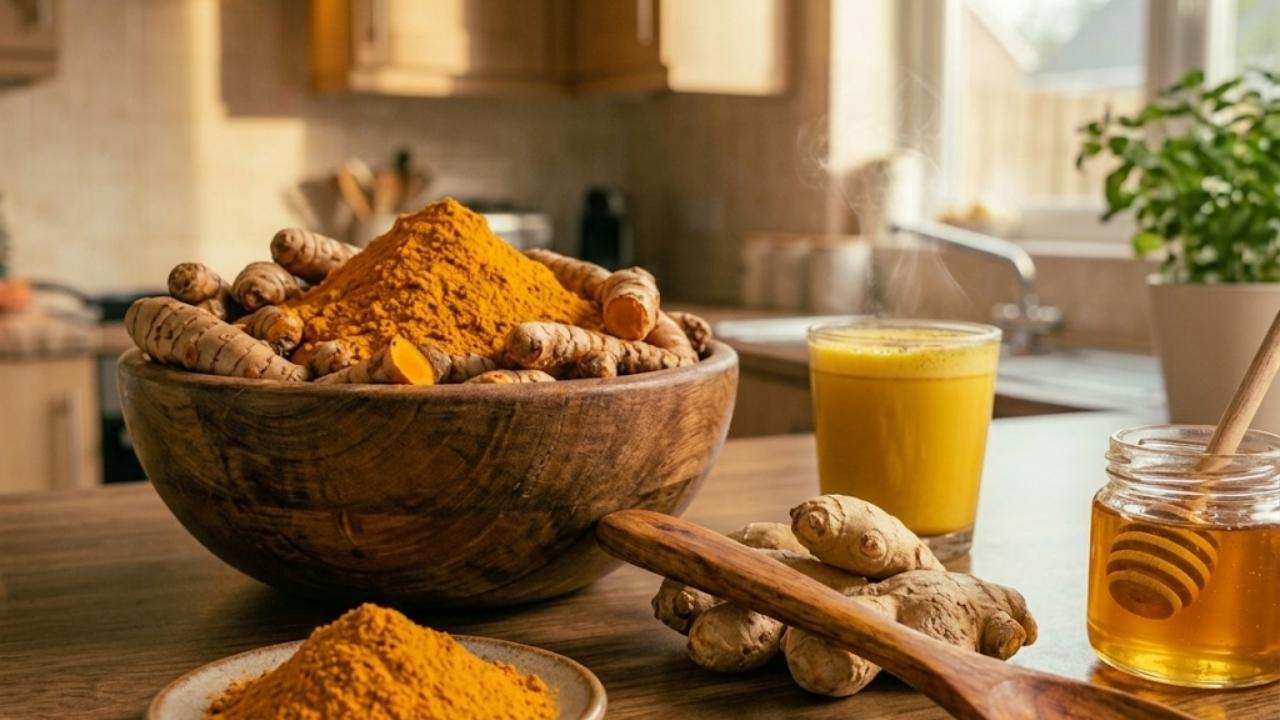
Amazing Health Benefits: Turmeric is a golden-hued spice that has been celebrated for centuries for its medicinal properties. Known scientifically as Curcuma longa, turmeric is a staple in traditional medicine systems, particularly in Ayurveda and Traditional Chinese Medicine. In recent years, scientific research has confirmed many of turmeric’s health benefits, making it a popular supplement and dietary addition for promoting overall wellness.
In 2026, health enthusiasts and nutrition experts continue to explore turmeric’s potential, from supporting inflammation reduction to boosting immunity. Incorporating turmeric into daily meals or drinks, such as golden milk or turmeric-infused teas, provides a natural way to enhance health and prevent disease.
What Makes Turmeric Special?
Turmeric owes its health-promoting properties primarily to curcumin, a powerful bioactive compound with antioxidant and anti-inflammatory effects. Curcumin is responsible for turmeric’s bright yellow color and its therapeutic benefits. While turmeric contains a small percentage of curcumin by weight, combining it with black pepper or healthy fats enhances absorption and maximizes its effects.
Beyond curcumin, turmeric also contains essential oils, vitamins, and minerals that contribute to overall wellness. These compounds work synergistically to improve health in multiple systems of the body.
Anti-Inflammatory Benefits
One of turmeric’s most notable benefits is its ability to reduce inflammation. Chronic inflammation is linked to many diseases, including arthritis, heart disease, and diabetes. Regular consumption of turmeric can help modulate inflammatory pathways in the body, providing natural relief from joint pain and swelling.

Studies have shown that curcumin’s anti-inflammatory effects are comparable to some over-the-counter medications, making turmeric an excellent natural alternative for supporting joint and tissue health.
Antioxidant Properties
Turmeric is a rich source of antioxidants that protect the body against free radicals. Free radicals contribute to aging and cellular damage, which can lead to chronic illnesses and weakened immunity. Consuming turmeric daily supports the body’s natural defense mechanisms, enhances skin health, and reduces oxidative stress.
Digestive Health Support
Turmeric has long been used as a digestive aid. It stimulates bile production in the liver, which helps break down fats and improve nutrient absorption. Additionally, turmeric can soothe the digestive tract, reduce bloating, and support a healthy gut microbiome. For individuals experiencing occasional indigestion, a cup of turmeric tea may provide gentle relief.
Cardiovascular Benefits
Turmeric contributes to heart health by improving endothelial function, which helps regulate blood pressure and reduce the risk of heart disease. Curcumin may also help lower cholesterol levels and prevent the buildup of plaque in arteries. Incorporating turmeric into meals or beverages can be a simple, natural way to support cardiovascular wellness.
Brain Health and Cognitive Function
Recent research suggests that curcumin may have neuroprotective effects, supporting memory, focus, and cognitive function. Its anti-inflammatory and antioxidant properties help reduce brain inflammation, which is associated with age-related cognitive decline. Daily consumption of turmeric, whether in food or supplements, may contribute to long-term brain health.

Immune System Support
Turmeric has immune-boosting properties that help the body fight infections and recover from illness. Its antibacterial, antiviral, and antifungal effects make it a valuable addition to a wellness routine, particularly during cold and flu season. Turmeric can be incorporated into soups, smoothies, and teas to strengthen immunity naturally.
How to Incorporate Turmeric into Your Daily Routine
Adding turmeric to your diet is simple and versatile. Use it in curries, soups, rice dishes, or stir-fries for a vibrant flavor and health boost. Turmeric tea or golden milk, made with turmeric, warm milk, and a pinch of black pepper, is an easy way to enjoy its benefits. For those who prefer supplements, curcumin capsules are widely available, but it is important to follow recommended dosages for safety.
Pairing turmeric with black pepper significantly enhances curcumin absorption, ensuring maximum effectiveness. Combining it with healthy fats, such as coconut oil or olive oil, can further improve bioavailability.
Safety and Considerations
Turmeric is generally safe for most people when consumed in culinary amounts. However, high doses in supplement form may cause digestive discomfort or interact with certain medications, such as blood thinners. Consulting a healthcare provider before starting high-dose turmeric supplements is recommended, especially for individuals with underlying health conditions.
Conclusion
Turmeric is a remarkable spice that offers a wide range of health benefits, from reducing inflammation and supporting heart health to boosting immunity and protecting cognitive function. Its versatile nature allows it to be easily incorporated into daily meals and beverages, providing both flavor and wellness support.

By embracing turmeric as part of a balanced diet, individuals in 2026 can naturally enhance their overall health, promote longevity, and enjoy the numerous benefits of this golden spice. Regular consumption of turmeric is a simple yet powerful step toward achieving optimal wellness and maintaining a healthy lifestyle.
