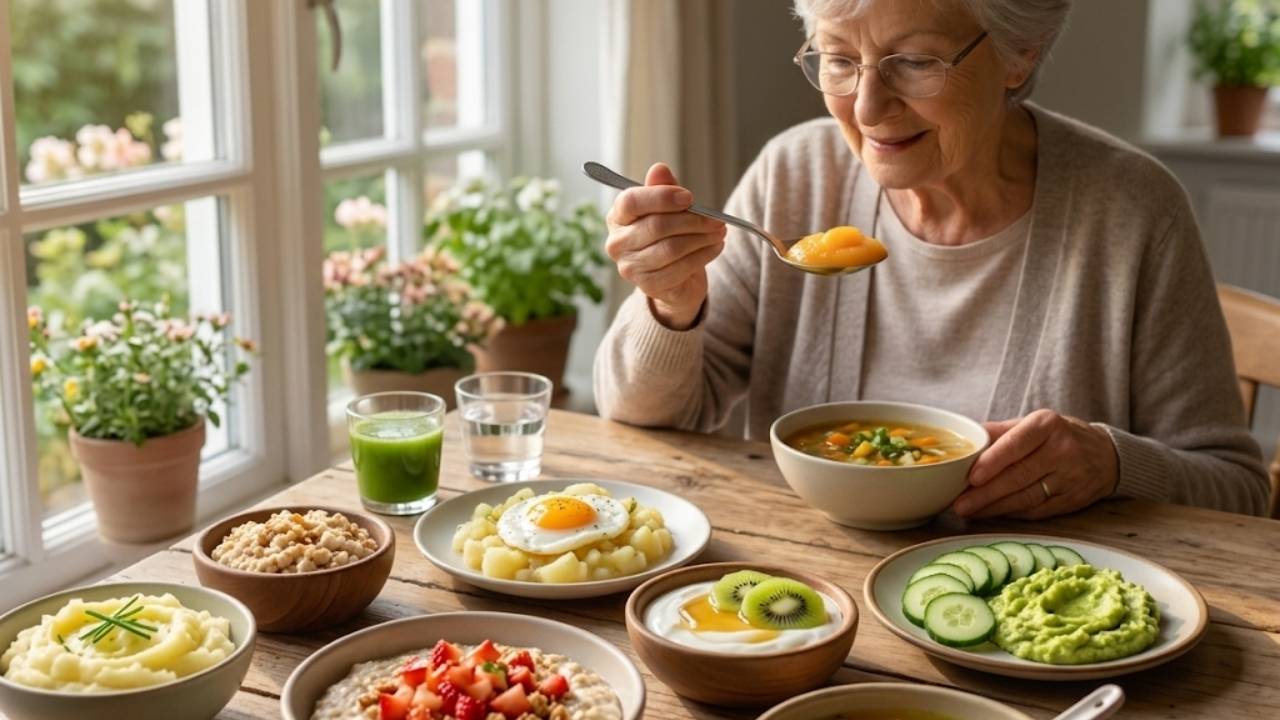
Soft Foods for Seniors: As people age, maintaining proper nutrition can become more challenging due to changes in teeth, gums, digestion, and appetite. Soft foods are an excellent solution for seniors who may find chewing difficult or who have dietary restrictions that require gentle textures. These foods not only make eating easier but can also ensure that seniors continue to receive essential nutrients for overall health, energy, and wellbeing.
In 2026, caregivers and family members are increasingly aware of the importance of offering soft, nutritious options that are both palatable and easy to prepare. Choosing the right foods can enhance digestion, prevent malnutrition, and make mealtimes enjoyable and stress-free for older adults.
Why Soft Foods Matter
Soft foods are vital for seniors for several reasons. Firstly, dental problems such as missing teeth, dentures, or gum issues can make chewing hard or crunchy foods uncomfortable. Soft foods reduce the risk of choking and make it easier to maintain adequate nutrition.
Secondly, aging often affects digestion and the body’s ability to absorb certain nutrients. Soft, easily digestible foods help seniors extract more nutrients efficiently while avoiding gastrointestinal discomfort. Finally, soft foods allow caregivers to incorporate a variety of vitamins, minerals, and protein sources without sacrificing flavor or texture.
Best Soft Food Options for Seniors
Fruits
Soft fruits are packed with vitamins, antioxidants, and fiber. Examples include ripe bananas, peaches, pears, and berries. These fruits can be eaten fresh, cooked, or pureed to make them easier to chew. Applesauce and fruit smoothies are also excellent ways to provide essential nutrients while ensuring ease of consumption.

Vegetables
Vegetables are critical for fiber, vitamins, and minerals, but they can be tough to chew when raw. Steaming, boiling, or roasting vegetables like carrots, zucchini, squash, sweet potatoes, and green beans softens them while retaining nutrients. Pureed vegetable soups are another great option, offering warmth, flavor, and nourishment in one easy-to-eat dish.
Protein Sources
Protein is essential for maintaining muscle mass, immune function, and overall energy levels. Soft protein sources suitable for seniors include eggs, tofu, yogurt, cottage cheese, soft cheeses, and well-cooked fish or poultry. Ground meats and shredded poultry are also easier to chew and digest while providing necessary amino acids.
Whole Grains
Whole grains provide fiber and energy but can be hard to chew in their traditional forms. Seniors can benefit from oatmeal, soft-cooked rice, quinoa, or barley. These grains can be flavored with milk, broth, or pureed vegetables to enhance both taste and nutrition.
Legumes and Beans
Beans and lentils are excellent sources of plant-based protein and fiber. Cooking them until very soft or mashing them into spreads ensures seniors can enjoy their nutritional benefits without struggling to chew. Lentil soups and hummus made from chickpeas are versatile, soft options that add variety to meals.
Dairy Products
Soft dairy products such as milk, yogurt, pudding, and cheese provide calcium and vitamin D, which are crucial for maintaining bone health in older adults. These options are easy to consume and can be incorporated into snacks, breakfast meals, or desserts.

Healthy Fats
Including healthy fats is important for energy and brain health. Soft options include avocado, nut butters (smooth, not chunky), and cooked or pureed seeds. These fats can be easily added to smoothies, spreads, or mixed into soft meals to enhance calorie content and flavor.
Tips for Preparing Soft Foods
Cooking Methods
Steaming, boiling, baking, or slow cooking are ideal methods to soften foods while retaining nutrients. Avoid overcooking vegetables or proteins to maintain their flavor and vitamin content.
Texture Modification
For seniors with severe chewing or swallowing difficulties, pureeing or mashing foods is helpful. Smoothies, soups, and sauces can be nutrient-dense while providing a comfortable texture.
Flavor Enhancement
Soft foods can sometimes lack taste appeal. Using herbs, spices, mild sauces, or natural sweeteners can enhance flavor without adding excess salt or sugar. This makes meals more enjoyable and encourages adequate intake.
Meal Variety
Offering a variety of soft foods prevents monotony and ensures a well-rounded diet. Combining fruits, vegetables, proteins, and grains in meals helps meet nutritional needs while keeping mealtimes interesting.

Benefits of Soft Foods for Seniors
Eating soft foods offers numerous benefits beyond ease of chewing. They reduce the risk of choking, support proper digestion, and help maintain healthy weight and nutrient intake. By providing foods that are easy to consume yet nutrient-dense, seniors can sustain their energy, cognitive function, and overall vitality.
Soft foods also promote independence, allowing seniors to eat comfortably without requiring extensive assistance. This can improve mood, self-esteem, and overall quality of life.
Conclusion
Soft foods play a critical role in the health and nutrition of seniors in 2026. By incorporating easy-to-eat fruits, vegetables, proteins, grains, and dairy, caregivers and family members can ensure older adults receive essential nutrients without difficulty.
With thoughtful preparation and a focus on variety, texture, and flavor, soft foods can transform mealtimes into enjoyable, nourishing experiences. Maintaining a balanced diet with soft foods not only supports physical health but also enhances the overall wellbeing and independence of seniors.
