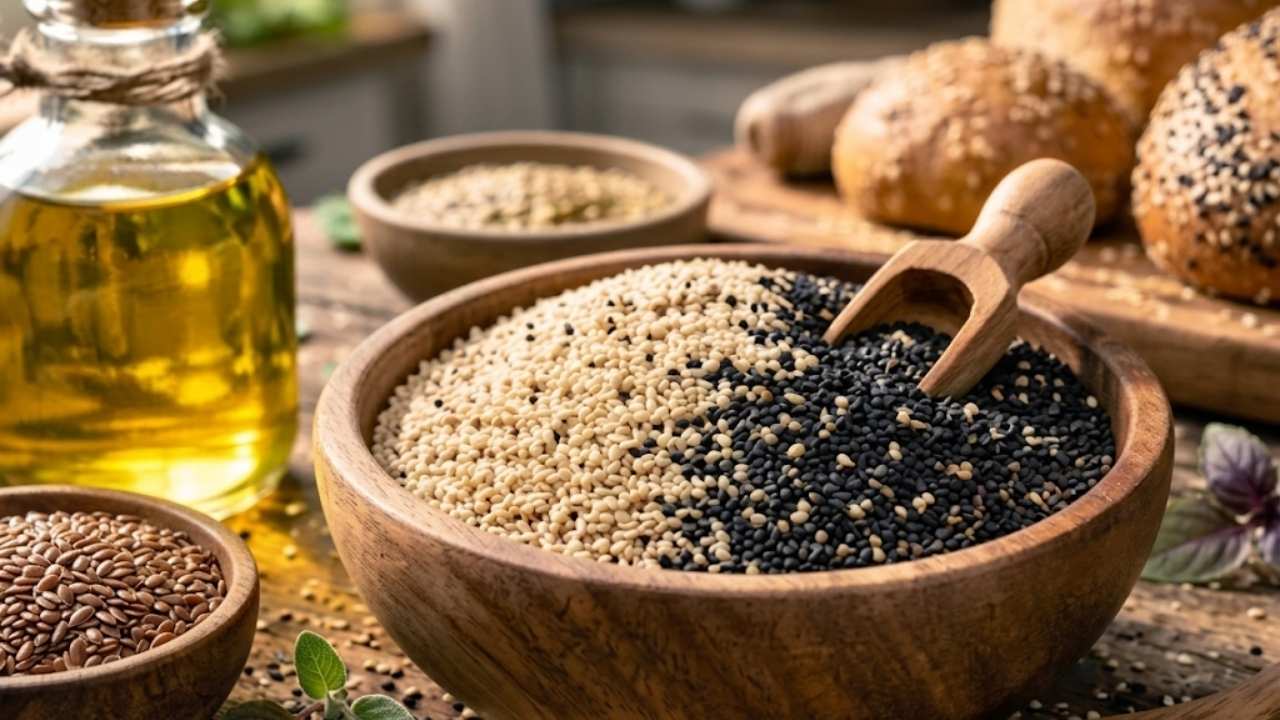
Health Benefits of Sesame: Sesame seeds are tiny but mighty. Often overlooked as a simple garnish or ingredient in baked goods, these small seeds are packed with nutrients and have been used for centuries in traditional medicine and culinary practices. In 2026, with the increasing focus on natural superfoods and plant-based nutrition, sesame seeds have gained renewed attention for their numerous health benefits. From supporting heart health to enhancing skin vitality, sesame seeds are an easy and versatile addition to any diet.
Rich Source of Nutrients
One of the standout qualities of sesame seeds is their impressive nutrient profile. They are rich in essential minerals like calcium, magnesium, iron, and phosphorus, all of which are vital for bone health, muscle function, and energy production. Additionally, sesame seeds provide a good amount of protein, healthy fats, and dietary fiber, contributing to overall well-being.
The seeds also contain B vitamins, including thiamine, niacin, and folate, which support metabolism, brain health, and cell function. Including sesame seeds in daily meals can help fill nutrient gaps in both vegetarian and non-vegetarian diets.
Heart Health Support
Sesame seeds contain compounds such as lignans and phytosterols that can help support cardiovascular health. Lignans are plant-based antioxidants that help reduce inflammation and oxidative stress, while phytosterols help lower cholesterol levels.
Consuming sesame seeds regularly may help reduce the risk of heart disease by improving lipid profiles and supporting healthy blood pressure levels. Adding a sprinkle of sesame seeds to salads, stir-fries, or smoothies is an easy way to incorporate these heart-healthy compounds into your diet.

Strong Bones and Teeth
Calcium is essential for strong bones and teeth, and sesame seeds are an excellent plant-based source of this mineral. Magnesium and phosphorus, also present in high amounts in sesame seeds, work alongside calcium to enhance bone density and strength.
For individuals who cannot consume dairy or are looking for alternative calcium sources, sesame seeds can be particularly valuable. Tahini, a paste made from ground sesame seeds, is a versatile option to boost calcium intake while enjoying a delicious ingredient.
Skin and Hair Health
Sesame seeds are rich in antioxidants and essential fatty acids, both of which are beneficial for maintaining healthy skin and hair. Vitamin E, a powerful antioxidant found in sesame seeds, helps protect skin cells from damage caused by free radicals and environmental stressors.
The healthy fats in sesame seeds support skin hydration and elasticity, promoting a youthful appearance. Additionally, regular consumption of sesame seeds may contribute to stronger hair by providing vital nutrients that nourish hair follicles. Incorporating sesame seeds into your diet or using sesame oil topically can enhance both skin and hair health naturally.
Anti-Inflammatory Properties
Chronic inflammation is linked to a variety of health problems, including heart disease, diabetes, and arthritis. Sesame seeds contain bioactive compounds with anti-inflammatory properties, which may help reduce inflammation in the body and support overall wellness.

These compounds work by neutralizing free radicals and moderating the body’s inflammatory response. Including sesame seeds in daily meals or as a topping for various dishes can be a subtle yet effective way to benefit from these anti-inflammatory effects.
Blood Sugar Regulation
Sesame seeds may also help regulate blood sugar levels, making them beneficial for individuals concerned about diabetes or insulin sensitivity. The combination of fiber, healthy fats, and lignans in sesame seeds slows the absorption of sugar into the bloodstream, preventing rapid spikes in blood glucose.
Adding sesame seeds to meals, particularly when combined with whole grains and vegetables, can help maintain balanced energy levels throughout the day. This makes them a practical addition to a diabetes-friendly or low-glycemic diet.
Digestive Health
Dietary fiber is essential for healthy digestion, and sesame seeds provide both soluble and insoluble fiber. This supports regular bowel movements, prevents constipation, and encourages a healthy gut microbiome.
Fiber-rich foods like sesame seeds also promote satiety, which can aid in weight management by reducing overall caloric intake. Incorporating sesame seeds into meals, snacks, and desserts can improve digestive health while adding flavor and texture.

Versatility in Daily Meals
One of the greatest advantages of sesame seeds is their versatility. They can be sprinkled on salads, mixed into yogurt, baked into bread, blended into smoothies, or used to make tahini and sesame oil. Their nutty flavor complements both sweet and savory dishes, making it easy to include them in your daily routine.
Whether as a garnish or a primary ingredient, sesame seeds can enhance the nutritional value of meals without requiring extensive preparation or cooking. This versatility makes them a convenient superfood for people with busy lifestyles in 2026.
Conclusion
Sesame seeds are more than just a garnish; they are a nutrient powerhouse with numerous health benefits. From supporting heart and bone health to enhancing skin, hair, and digestive wellness, these tiny seeds offer a wide array of advantages. Their anti-inflammatory properties and ability to regulate blood sugar make them a valuable addition to any diet, particularly for those seeking natural and functional foods.
Incorporating sesame seeds into your daily meals is simple, versatile, and rewarding. Whether sprinkled on salads, blended into smoothies, or enjoyed as tahini, sesame seeds provide essential nutrients, promote overall wellness, and contribute to a balanced, health-conscious lifestyle. By embracing this ancient superfood in 2026, you can enjoy both delicious flavors and a range of health benefits that support long-term vitality.
