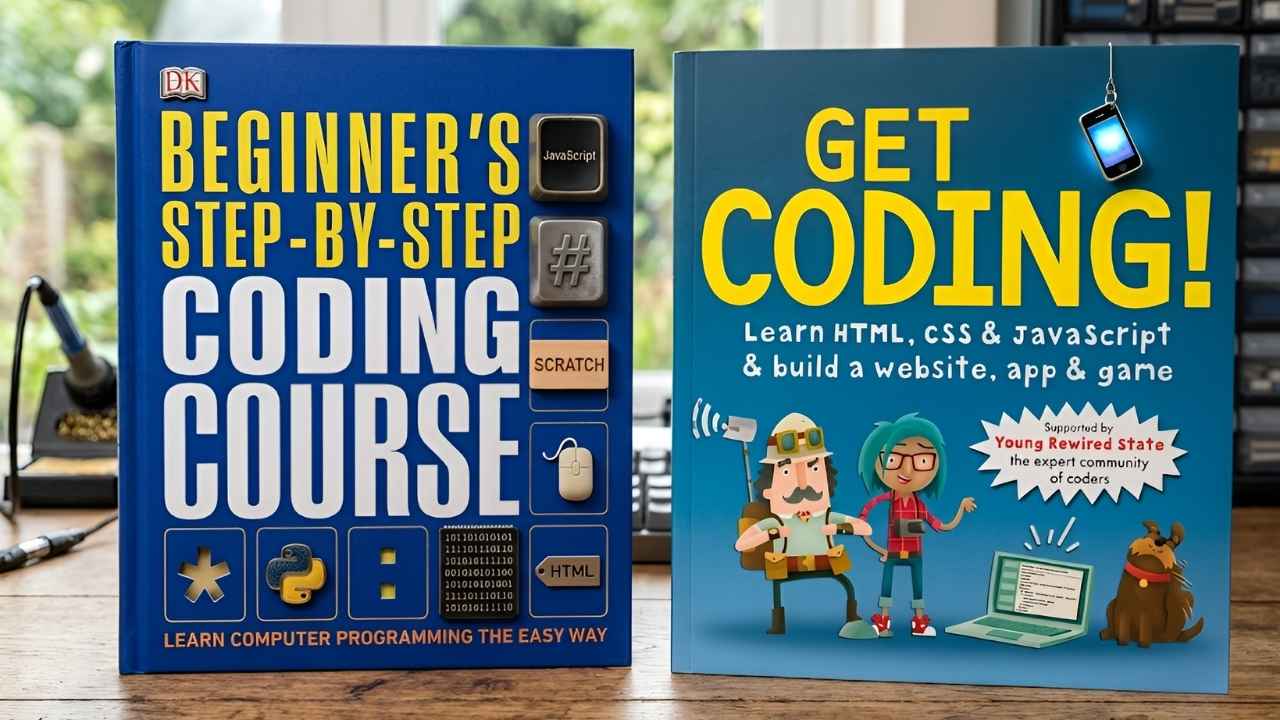
Beginner’s Guide to Computer Programming Courses: Learning computer programming can be one of the most rewarding skills you can acquire in today’s digital world. Whether you want to build websites, develop apps, or explore the world of artificial intelligence, programming opens countless opportunities. If you are new to coding, this guide will walk you through the basics, the best courses to start with, and a step-by-step approach to learning effectively.
Why Learning Programming is Important
In the modern era, technology is at the heart of almost every industry. Learning programming allows you to understand how software works, solve problems efficiently, and even create your own digital products. Programming skills are highly valued by employers and can lead to lucrative career opportunities. Beyond careers, coding also improves logical thinking, problem-solving, and creativity.
Programming is no longer limited to software engineers. Professionals in marketing, finance, data analysis, and even art can benefit from understanding programming concepts.
Choosing the Right Programming Language
For beginners, selecting the right programming language is crucial. Some languages are easier for beginners, while others are more complex but highly versatile. Here are a few options to consider:
- Python: Known for its simplicity and readability, Python is ideal for beginners. It is widely used in web development, data analysis, and artificial intelligence.
- JavaScript: If your goal is to work on websites or interactive web applications, JavaScript is essential.
- Java: This language is versatile and used in Android app development, large software systems, and more.
- C++: Known for performance-intensive applications, C++ is a bit more challenging but highly valuable in gaming, simulations, and software requiring speed.
When starting, it’s best to focus on one language and gain a solid foundation before moving on to others.

Finding Beginner-Friendly Programming Courses
There are many online platforms offering beginner programming courses. The key is to choose a course that is structured, engaging, and provides hands-on practice. Popular platforms include:
- Coursera
- Udemy
- edX
- Codecademy
- freeCodeCamp
Look for courses that include interactive exercises, projects, and quizzes. Courses with community support can also be helpful, as you can ask questions and learn from others’ experiences.
Step-by-Step Approach to Learning Programming
Learning to code can feel overwhelming at first, but breaking it down into steps makes it manageable.
Step 1: Understand the Basics
Before writing complex programs, you need to understand the basic concepts. These include variables, data types, loops, conditionals, and functions. Most beginner courses start with these fundamental concepts, and mastering them will make everything else easier.
Step 2: Practice Regularly
Programming is a skill that improves with practice. Try to write code daily, even if it’s just a small program. Online coding platforms often provide exercises that reinforce what you learn.

Step 3: Work on Projects
Once you understand the basics, start small projects. These could be a simple calculator, a to-do list app, or a basic website. Projects help consolidate your learning and show how different concepts work together in real applications.
Step 4: Learn Debugging
Debugging is an essential part of programming. You will inevitably encounter errors in your code. Learning how to identify, understand, and fix errors will make you a more confident programmer.
Step 5: Explore Advanced Topics
After gaining confidence with the basics, you can explore more advanced areas like object-oriented programming, data structures, algorithms, or web development frameworks. Advanced topics expand your skills and open more opportunities in specialized fields.
Tips for Staying Motivated While Learning
Learning programming can sometimes be challenging. Here are some tips to stay motivated:
- Set small, achievable goals for each study session.
- Join coding communities to share progress and ask questions.
- Celebrate small milestones, such as completing a project or solving a difficult problem.
- Take breaks and don’t rush the learning process. Consistency matters more than speed.
Benefits of Taking Online Courses
Online programming courses are flexible and allow you to learn at your own pace. Many courses provide video tutorials, downloadable resources, and interactive coding environments. This makes it easier to apply what you learn in real time. Additionally, online courses often include certificates that can enhance your resume.
Common Challenges Beginners Face
Beginners often face challenges such as feeling overwhelmed, struggling with syntax, or experiencing frustration when errors occur. These challenges are normal. The key is to remain patient, practice consistently, and seek help from online communities or mentors. Remember that even experienced programmers encounter errors regularly.
Conclusion
Starting your programming journey may seem daunting at first, but with the right approach, it can be highly rewarding. By choosing the right language, enrolling in beginner-friendly courses, and practicing step by step, anyone can learn to code. Programming not only opens career opportunities but also enhances logical thinking and problem-solving skills. Stay curious, be patient with yourself, and embrace the challenges along the way. Each line of code you write brings you closer to becoming a confident and capable programmer.
