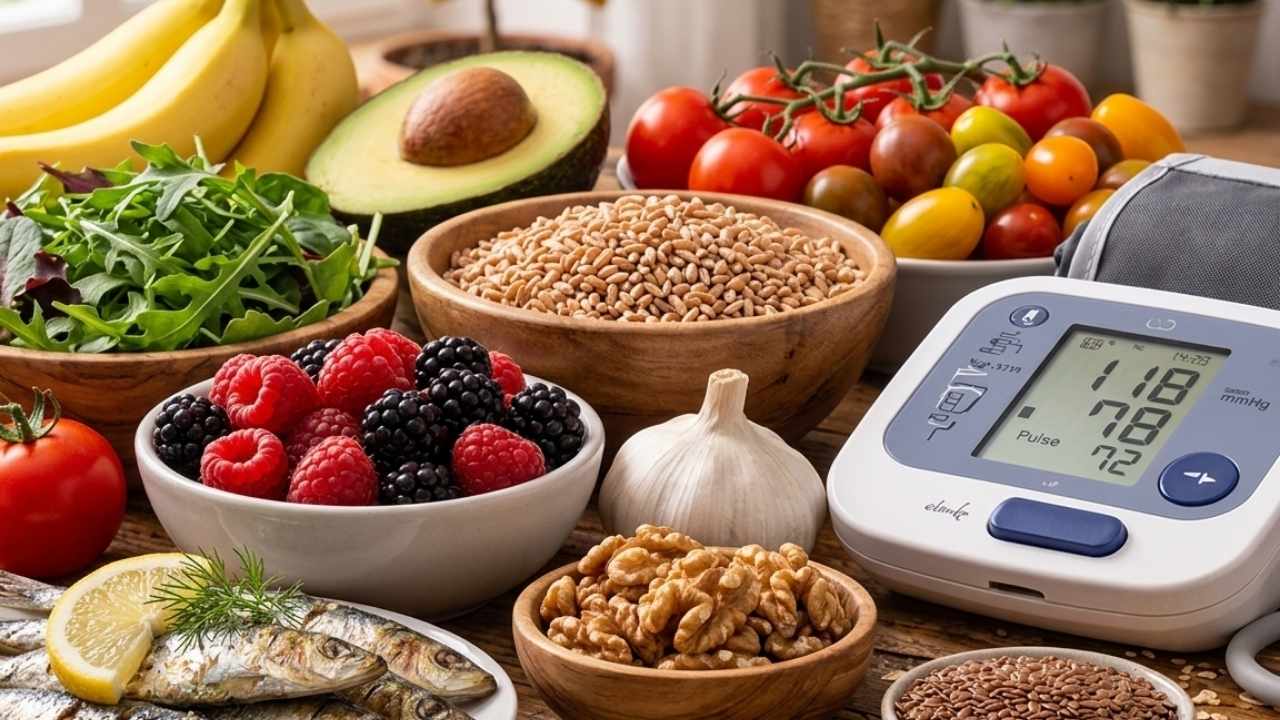
Special Foods That May Help Control: High blood pressure, also known as hypertension, is one of the most common health concerns today. It often develops silently, without obvious symptoms, but over time it can increase the risk of serious conditions like heart disease, stroke, and kidney problems. While medication is sometimes necessary, diet plays a major role in managing blood pressure naturally.
Certain foods contain nutrients that help relax blood vessels, improve circulation, and balance sodium levels in the body. Adding these foods to your daily routine can support better heart health and contribute to long-term wellness in a natural and sustainable way.
Leafy Green Vegetables
Leafy greens such as spinach, kale, and mustard greens are among the best foods for controlling blood pressure. They are rich in potassium, a mineral that helps the body eliminate excess sodium through urine. This balance between potassium and sodium is important for maintaining healthy blood pressure levels.
These vegetables are also packed with magnesium and nitrates, which help relax blood vessels and improve blood flow. Including a serving of leafy greens in your daily meals can make a noticeable difference over time.
Beets and Beet Juice
Beets are known for their deep red color and powerful health benefits. They contain natural nitrates that convert into nitric oxide in the body. Nitric oxide helps widen blood vessels, allowing blood to flow more easily and reducing pressure on artery walls.
Drinking beet juice or adding cooked beets to salads can be an effective and natural way to support heart health. Many people notice improvements in blood pressure within a few hours of consumption.
Garlic
Garlic has been used in traditional medicine for centuries due to its strong healing properties. It contains a compound called allicin, which is believed to help relax blood vessels and improve circulation.
Regular consumption of garlic may help reduce both systolic and diastolic blood pressure. It can be eaten raw, cooked, or in supplement form, but fresh garlic tends to offer the most benefits.

Bananas
Bananas are a simple and affordable fruit that can help regulate blood pressure. They are rich in potassium, which plays a key role in balancing sodium levels in the body.
Eating bananas regularly can support heart health and reduce the strain on blood vessels. They also provide quick energy and are easy to include in daily meals or snacks.
Oats
Oats are a heart-friendly food that can help manage blood pressure naturally. They are high in fiber, especially a type called beta-glucan, which helps reduce cholesterol levels and improve heart function.
A healthy digestive system supported by fiber also contributes to better overall cardiovascular health. Eating oats for breakfast is a simple habit that can have long-term benefits.
Berries
Berries such as blueberries, strawberries, and raspberries are rich in antioxidants called flavonoids. These compounds help improve blood vessel function and reduce inflammation in the body.
Studies suggest that regular consumption of berries may help lower blood pressure and improve heart health. They can be eaten fresh, added to smoothies, or mixed with yogurt.
Yogurt and Fermented Foods
Low-fat yogurt and fermented foods like kefir contain probiotics, which support gut health. A healthy gut is linked to better regulation of blood pressure.
These foods are also rich in calcium and potassium, both of which help maintain healthy heart function. Choosing unsweetened yogurt is important to avoid added sugars that may negatively affect blood pressure.

Nuts and Seeds
Nuts such as almonds, walnuts, and pistachios are packed with healthy fats, magnesium, and potassium. These nutrients help relax blood vessels and improve circulation.
Seeds like flaxseeds and chia seeds also support heart health by reducing inflammation and providing omega-3 fatty acids. A small handful of nuts daily can be a beneficial addition to your diet.
Citrus Fruits
Citrus fruits like oranges, lemons, and grapefruits are rich in vitamin C and antioxidants. These nutrients help reduce oxidative stress and support healthy blood vessels.
They also contain flavonoids that may improve heart health and lower blood pressure naturally. Drinking lemon water or eating whole citrus fruits can be a refreshing and healthy habit.
Fatty Fish
Fatty fish such as salmon, mackerel, and sardines are excellent sources of omega-3 fatty acids. These healthy fats help reduce inflammation and improve heart function.
Omega-3 fatty acids are known to lower blood pressure and reduce the risk of cardiovascular disease. Including fish in your diet a few times a week can provide significant health benefits.
Dark Chocolate
Dark chocolate with a high cocoa content contains flavonoids that help improve blood vessel flexibility. When consumed in moderation, it may help lower blood pressure.
It is important to choose chocolate with minimal sugar and high cocoa percentage to gain the health benefits without unnecessary calories.

Tips for Better Results
While these foods can support healthy blood pressure, they work best when combined with a balanced lifestyle. Reducing salt intake, staying physically active, managing stress, and maintaining a healthy weight are equally important.
Consistency is key when it comes to diet. Including a variety of these foods regularly can help you achieve better long-term results.
Conclusion
Managing high blood pressure naturally is possible with the right dietary choices. Foods like leafy greens, garlic, bananas, oats, berries, and fatty fish provide essential nutrients that support heart health and improve blood circulation.
By making these special foods a regular part of your meals, you can take a simple yet powerful step toward better health. Combined with healthy lifestyle habits, they can help you maintain balanced blood pressure and support overall well-being in the long run.
