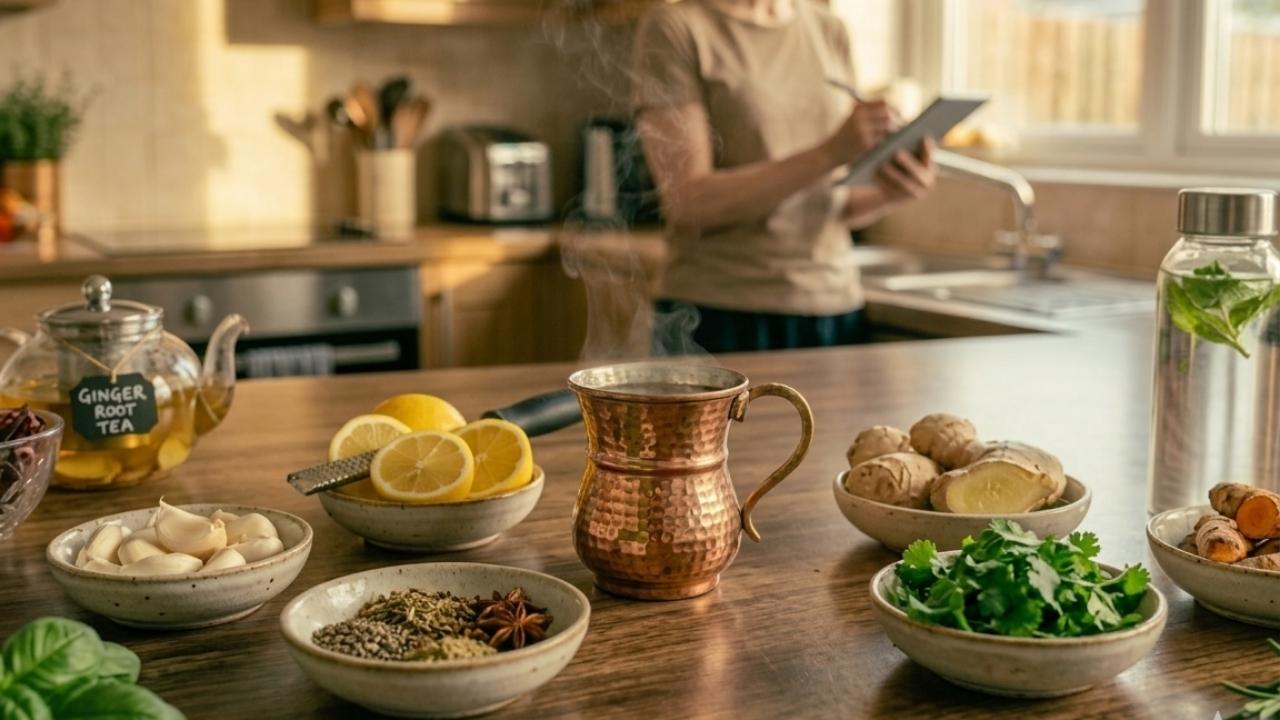
Top Herbs to Naturally Lower High Blood Pressure: High blood pressure, also known as hypertension, is a growing health concern across the world. It often develops silently, without noticeable symptoms, yet it can lead to serious complications such as heart disease, stroke, and kidney problems. While medications are commonly prescribed to manage hypertension, many people are increasingly turning toward natural remedies to support their overall heart health. Among these, herbs have gained attention for their potential to help regulate blood pressure in a gentle and holistic way.
This guide explores some of the most effective herbs known for their blood pressure-lowering properties and how they can be incorporated into daily life.
Understanding High Blood Pressure
Before exploring herbal solutions, it is important to understand what high blood pressure is. Blood pressure measures the force of blood pushing against the walls of your arteries. When this pressure remains consistently high, it puts extra strain on your heart and blood vessels.
Lifestyle factors such as poor diet, stress, lack of exercise, and excessive salt intake often contribute to hypertension. While herbs can provide support, they work best when combined with healthy lifestyle choices.
The Role of Herbs in Blood Pressure Management
Herbs have been used in traditional medicine systems for centuries. Many contain natural compounds that help relax blood vessels, improve circulation, and reduce inflammation. Unlike synthetic drugs, herbs tend to work gradually and may have fewer side effects when used properly.
However, it is important to remember that herbs are not a replacement for medical treatment in severe cases. Instead, they can be a valuable addition to a balanced approach to health.
Garlic
Garlic is one of the most widely studied herbs for heart health. It contains a compound called allicin, which is believed to help relax blood vessels and improve blood flow. Regular consumption of garlic may contribute to lower blood pressure levels over time.

It can be easily added to meals such as soups, curries, and stir-fries. For those who prefer not to consume it raw, garlic supplements are also available.
Basil
Basil is more than just a flavorful herb used in cooking. It contains natural compounds that may help reduce blood pressure by promoting relaxation of blood vessels. Its pleasant aroma and taste make it an easy addition to salads, sauces, and teas.
Including fresh basil in your diet can be a simple and enjoyable way to support heart health.
Hibiscus
Hibiscus tea is known for its deep red color and refreshing taste. It has been widely studied for its potential to lower both systolic and diastolic blood pressure. Rich in antioxidants, hibiscus helps improve blood vessel function and reduce oxidative stress.
Drinking one to two cups of hibiscus tea daily may offer noticeable benefits over time.
Ginger
Ginger is a powerful herb commonly used in both cooking and traditional remedies. It may help improve blood circulation and relax the muscles around blood vessels, which can contribute to lower blood pressure.
Adding ginger to tea, smoothies, or meals can provide both flavor and health benefits.
Cinnamon
Cinnamon is another popular herb that may support healthy blood pressure levels. It is believed to help relax blood vessels and improve overall circulation. Regular consumption in small amounts can be beneficial, especially when combined with a balanced diet.
Sprinkling cinnamon on oatmeal, yogurt, or beverages is an easy way to include it in your routine.
Cardamom
Cardamom is often used in traditional cooking and herbal medicine. Some studies suggest that it may help reduce blood pressure due to its antioxidant properties and ability to act as a natural diuretic.
It can be added to tea, desserts, or savory dishes for both flavor and potential health benefits.
Flaxseed
Although technically a seed, flaxseed is often included in herbal remedies due to its powerful health properties. It is rich in omega-3 fatty acids and fiber, which may help lower blood pressure and improve heart health.
Ground flaxseed can be added to smoothies, cereals, or baked goods for easy consumption.
How to Use Herbs Safely
While herbs offer many benefits, it is important to use them responsibly. Start with small amounts and observe how your body responds. Some herbs may interact with medications or may not be suitable for certain health conditions.

Consulting a healthcare professional before adding new herbs to your routine is always a wise step, especially if you are already on medication for blood pressure.
Lifestyle Tips to Enhance Results
Herbs work best when combined with healthy habits. Maintaining a balanced diet rich in fruits and vegetables, reducing salt intake, staying physically active, and managing stress are all essential for controlling blood pressure.
Simple practices such as regular walking, deep breathing exercises, and proper sleep can significantly enhance the effectiveness of herbal remedies.
Conclusion
Managing high blood pressure naturally is possible with the right approach and consistency. Herbs such as garlic, basil, hibiscus, ginger, cinnamon, and cardamom offer promising benefits that can support heart health in a gentle and natural way. While they are not a substitute for medical treatment, they can play a valuable role in a comprehensive health plan.
By combining herbal remedies with a healthy lifestyle, you can take meaningful steps toward maintaining balanced blood pressure and improving your overall well-being.
